


Please Contribute Here to help us Grow!
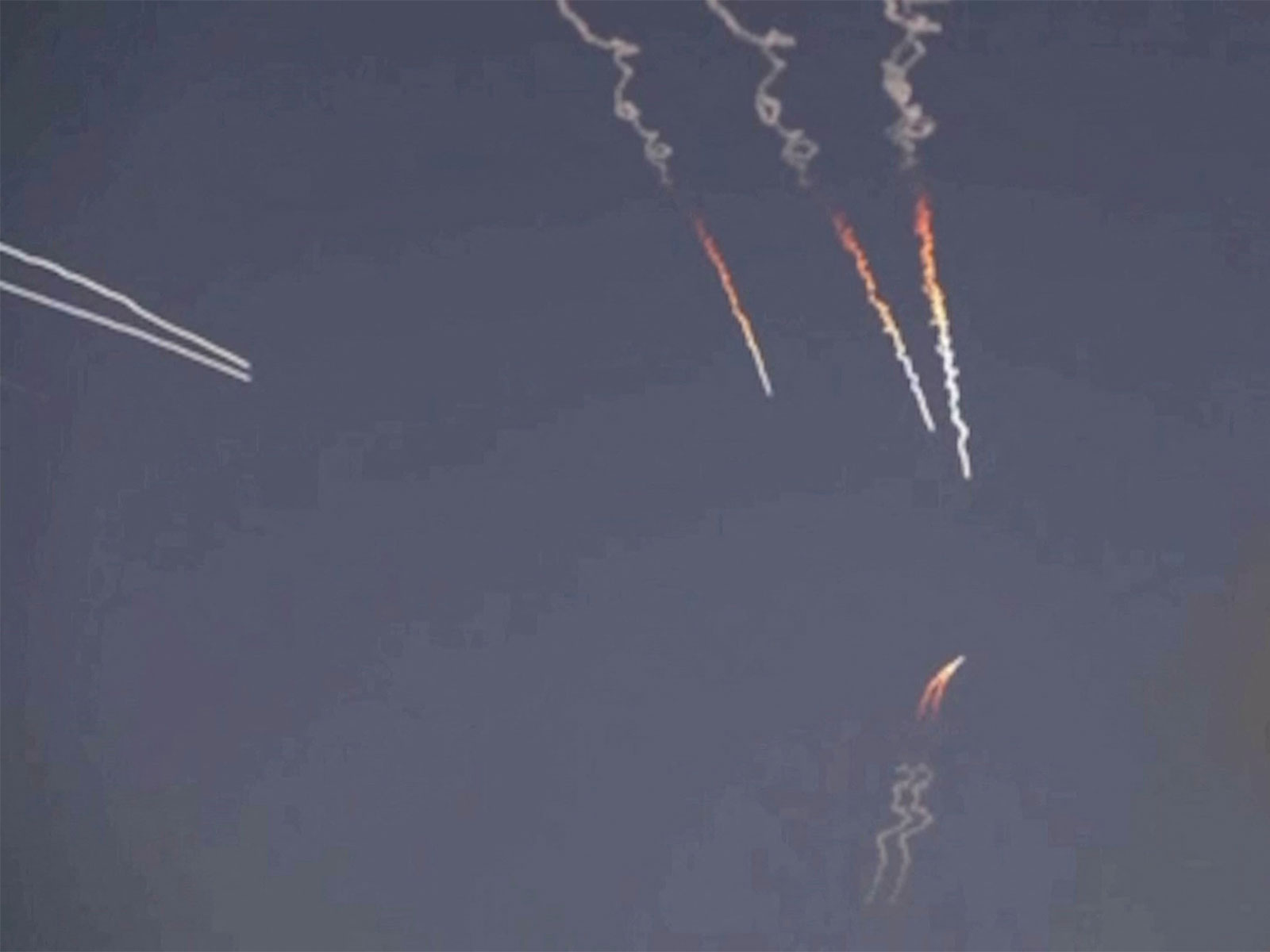
Iranian authorities on Wednesday said a missile attack struck areas near a cancer hospital in the southwestern city of Ahvaz, hours after the US Central Command (CENTCOM) announced a second wave of strikes targeting Iranian military capabilities linked to threats against maritime transit in the Strait of Hormuz.
Hossein Kermanpour, Head of the Public Relations and Information Center at Iran’s Ministry of Health and Medical Education, said the attack occurred near Boghayi Hospital 2, which treats cancer patients.
In a post on X, Kermanpour said, “Moments ago, the areas near Boghayi Hospital 2 (dedicated to cancer patients) in Ahvaz were hit by a missile attack. Some patients and their companions, out of fear from the intense sound and severe tremors, have fled the hospital, and now only the most critically ill patients remain!”
Iranian state media outlet Islamic Republic of Iran Broadcasting (IRIB) also reported damage to an industrial facility in Qeshm, located in Hormozgan Governorate.
According to IRIB, quoting a statement from the Hormozgan Governor, “Following an enemy attack on part of the Souza fish powder factory in Qeshm, limited damage was caused to the factory. Due to the empty location, no injuries have been reported at this time.”
This comes after CENTCOM announced that US forces had launched a second wave of strikes against Iran, saying the operation targeted Iranian military capabilities allegedly used to threaten vessels transiting through the Strait of Hormuz.
Meanwhile, Iran’s Islamic Revolutionary Guard Corps (IRGC) spokesperson Brigadier General Hossein Mohammadi said that the Islamic Republic would continue its military response, asserting that Tehran’s current operations were focused on US military infrastructure in the region.
In a post on X, Mohammadi said, “The enemy should not imagine that it can continue the current equation of the battle and turn the war into one of attrition. Iran’s operations are currently focused on destroying America’s offensive infrastructure in the region. The next steps will then begin.”-ANI