


Please Contribute Here to help us Grow!
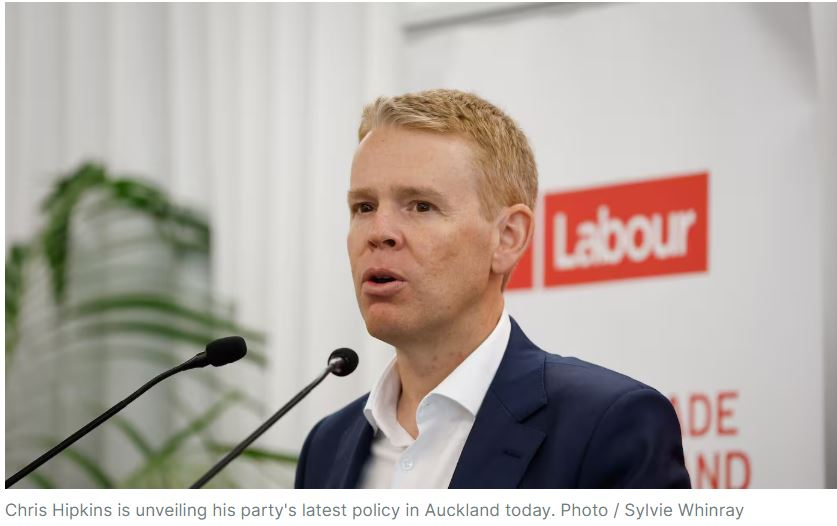
The policy, which the party says would be introduced from July next year, breaks Labour’s election policy drought after leader Chris Hipkins said his party would wait until after the Government’s Budget to unveil more of its pitch to voters ahead of November 7.
Labour’s policy states once a public transport commuter reached their price cap, the rest of their trips for that week would be free.
Labour claimed it would save commuters on average about $25 per week or $1200 per year.
The party said the policy would cost about $65 million per year and it would be funded from the National Land Transport Fund.
The fund had come under increasing pressure with Treasury warning of its ability to satisfy large-scale transport projects, such as the National Party’s Roads of National Significance.
Speaking to media from Waitematā Train Station, Hipkins argued funding commitments were already being reprioritised given competing pressures and said his party’s policy would be prioritised through the regular process.
“We’re saying that one of our priorities is going to be public transport fare caps and then, of course, everything else gets assessed against that, which includes the phasing and sequencing of big roading projects.
“The current Government has] got a big challenge on their hands that all of the roading commitments they’ve made can’t be met from within that fund, so there’s some reprioritisation already going on there.”
Labour transport spokesman Tangi Utikere said the estimated cost was based on Auckland Transport modelling, which indicated a $20 fare cap would increase patronage by about 6%.
He acknowledged Labour’s previous policy of half-price public transport was much more expensive at about $130m, but he explained the current policy didn’t subsidise every trip.
Not all ferries were included. The policy document identified Wellington’s East-By-West, Lyttelton’s Diamond Harbour ferry and Auckland’s inner-harbour ferries as included.
“Cash-only” bus services like those in Marlborough wouldn’t be included as they didn’t have the capacity to implement card-based fare caps.
Labour’s policy document said most existing payment systems supported a weekly fixed fare but the card or app used would differ based on what part of the country people lived in.
It argued public transport networks could cope with increased demand, claiming networks across main centres had “additional capacity, particularly offpeak and on routes”.
National leader Christopher Luxon will likely react to the policy when he speaks to media from Fieldays in Mystery Creek, Waikato.
National campaign chairman Simeon Brown argued the National Land Transport Fund was “already oversubscribed”.
“The idea of siphoning a quarter of a billion dollars from the [fund] to pay for this is fanciful.
“Ultimately this policy will require higher taxes or more borrowing.
“This comes on top of billions of dollars in other spending promises they have made with no way to pay for it – such as restoring pay equity, unwinding public sector savings, and how they will pay for their Future Fund.”Source :NZHerald