


Please Contribute Here to help us Grow!
New Zealand’s latest population figures show net migration reached 24,200 in the year to March, with fewer residents leaving and more newcomers arriving than during the previous year. Although immigration remains a frequent political talking point, recent polling suggests it is not among the country’s biggest public concerns. The issue failed to appear within the top ten problems identified by voters, indicating that the intensity of political debate may not reflect public priorities or anxieties.
Questions persist about what level of immigration best suits New Zealand’s economy, infrastructure, and social environment. Politicians regularly debate whether current migration figures represent a sustainable balance between workforce demand and pressure on housing, transport, healthcare, and public services. Others argue the issue has become less about addressing genuine economic challenges and more about attracting support from frustrated voters during election campaigns. Critics believe migration is often used as a convenient explanation for wider problems.
On The Detail podcast, Distinguished Professor Emeritus Paul Spoonley, a senior fellow at Koi Tū: the Centre for Informed Futures, said New Zealand has a long history of politicising migration during election cycles. He argued that periods of heightened anxiety about immigration repeatedly emerge despite little evidence that migration patterns have changed dramatically. According to Spoonley, these recurring debates often create unnecessary fear by presenting migration as an urgent social threat even when underlying conditions remain.
Spoonley pointed to earlier examples including the overstayers controversy during the 1970s and the rise of New Zealand First in the 1996 election. He said anti-immigration messaging, particularly directed toward Asian migrants, became an influential political strategy during those periods. Spoonley described such moments as moral panics where migration is framed as a crisis requiring immediate action, even though public attitudes and migration trends may not differ significantly, he believes these narratives.
In Spoonley’s view, migrants are increasingly blamed for broader social and economic difficulties that have far more complicated origins. Public frustration over housing shortages, rising living costs, stretched infrastructure, and economic insecurity is frequently redirected toward immigration. He argues this approach oversimplifies national challenges while ignoring deeper policy failures and long-term planning issues. Rather than focusing solely on migration numbers, Spoonley believes governments should examine how resources are managed and how communities are supported.
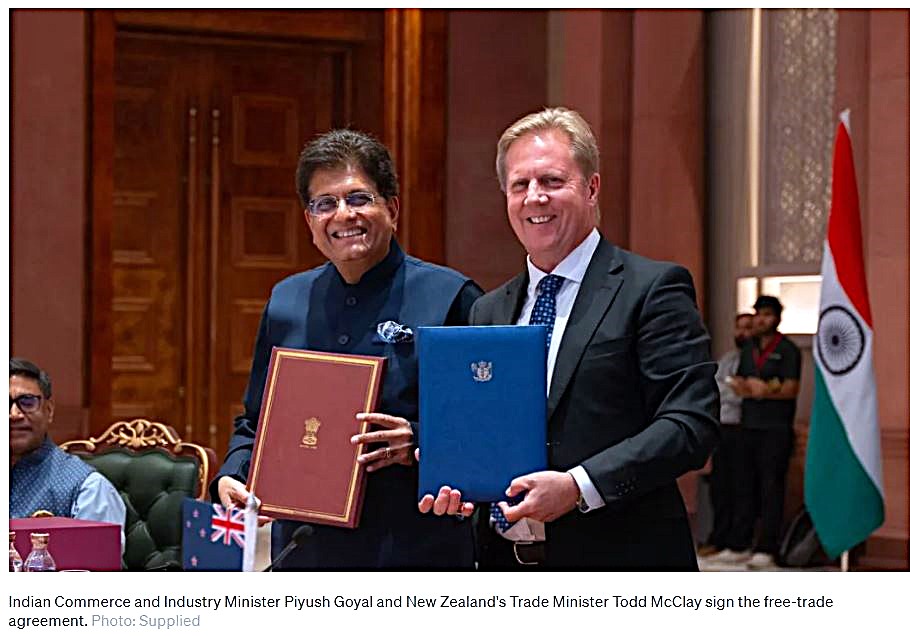
One recent flashpoint has involved New Zealand’s proposed Free Trade Agreement with India and possible visa concessions linked to the deal. These measures include work visas, working holiday opportunities, and student visa extensions for Indian citizens. Critics argued the agreement could encourage large scale migration from India and place additional pressure on public services and infrastructure.
Prime Minister Christopher Luxon rejected those claims, saying discussions surrounding the agreement had been distorted into unfounded fears claims.
Spoonley also criticised the way immigration debates frequently focus on particular ethnic groups while treating others differently. He noted that concerns about cultural values and social integration are rarely directed toward migrants from countries such as the United Kingdom or South Africa Instead, criticism tends to concentrate on migrants from Asian nations or communities perceived as culturally different from New Zealand’s traditional majority population. Spoonley argued this selective focus reveals how immigration debates can reflect.
More broadly, Spoonley believes New Zealand’s immigration system remains relatively balanced and carefully managed. The country uses a points-based system intended to attract skilled workers who can contribute economically and fill labour shortages across important sectors. In his assessment, the system generally succeeds in selecting migrants whose qualifications and experience meet workforce needs. He also rejected comparisons with parts of Europe where immigration systems have faced major political backlash, arguing New Zealand has controls.
Research published by the Productivity Commission in 2022 also challenged several assumptions surrounding immigration and its economic effects. The report, Immigration: Fit for the Future, concluded that migration is neither the primary cause nor the solution to New Zealand’s productivity challenges. It rejected claims that the country is suffering a damaging brain drain, noting New Zealand gains more highly educated and skilled people than it loses overseas. The report also found little evidence that immigration significantly suppresses wages or replaces local workers, arguing instead that migrants often help address labour shortages and contribute positively to economic growth and long-term development. -TIN Bureau