


Please Contribute Here to help us Grow!
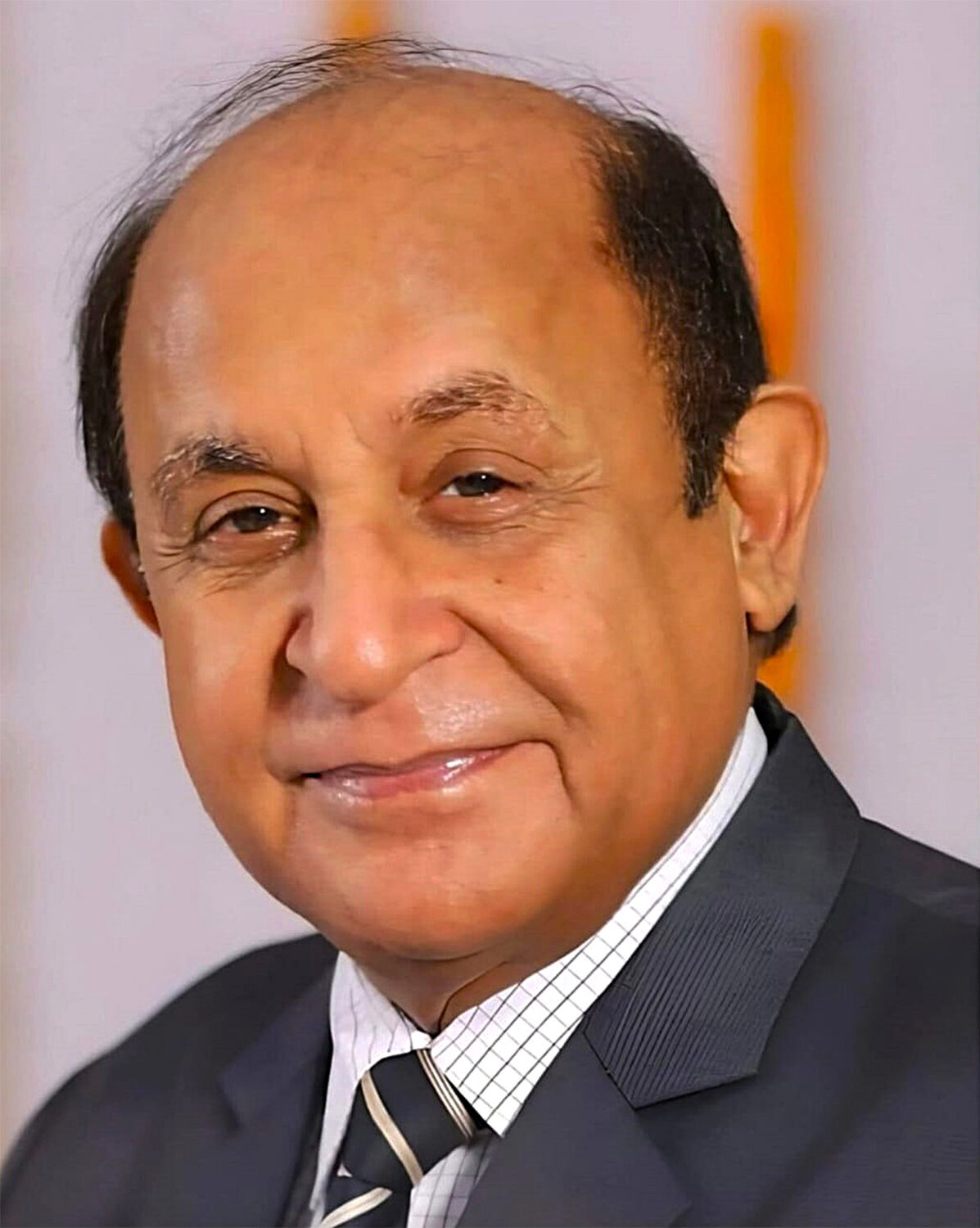
By Dr. Sethi K.C.
New Zealand is widely admired as one of the world’s most peaceful and naturally beautiful nations. Its stunning landscapes, democratic values, environmental awareness, and balanced lifestyle have earned it a strong global reputation. However, beneath this image lies a growing concern — the increasing migration of young professionals and skilled workers to countries such as Australia and other developed nations.
During his visits to New Zealand in 2024 and again in 2026, Indian author and philosopher Dr. Sethi K.C. observed a noticeable rise in the number of graduates, healthcare workers, engineers, researchers, and skilled citizens leaving the country in search of better opportunities abroad. According to him, migration itself is natural. Throughout history, people have moved in pursuit of hope, security, and a better future. However, when a nation consistently loses its educated and talented youth, the issue becomes more than migration — it becomes a national challenge affecting economic growth, innovation, and public confidence.
One major reason behind this trend is the wage gap between New Zealand and larger economies like Australia. Many professionals realize they can earn significantly more overseas while also gaining faster career advancement and greater financial stability. Housing affordability has also become a serious concern. Many young New Zealanders feel discouraged by rising property prices and the growing difficulty of owning a home despite years of hard work.
New Zealand’s relatively small economy can also limit opportunities in specialized industries. Professionals in technology, scientific research, engineering, and innovation sometimes struggle to find large-scale projects or advanced career pathways. At the same time, countries across the world are actively competing for skilled workers by offering attractive salaries, research funding, and migration opportunities.
Dr. Sethi K.C., through his Sethian Philosophy, explains that migration is more than physical movement; it is an emotional journey toward hope. Young people today are not only seeking employment but also recognition, growth, creativity, and a sense of purpose. When these opportunities appear limited, migration naturally increases.
If this trend continues, New Zealand could face serious long-term consequences. The country may experience shortages of skilled professionals in healthcare, education, engineering, and technology. Economic growth could slow because modern economies depend heavily on innovation and skilled human resources. An aging population may also place greater pressure on healthcare and social systems, while declining youth participation could weaken entrepreneurship and creativity.
Despite these concerns, New Zealand still holds extraordinary promise. The country remains politically stable, environmentally conscious, and socially peaceful. Its work-life balance and quality of life continue to attract admiration around the world. These strengths provide a strong foundation for the future if combined with better economic opportunities and long-term planning.
To reduce the brain-drain problem, New Zealand must invest more strongly in its people. Competitive salaries for doctors, scientists, teachers, engineers, and researchers are essential to retaining talent. Housing affordability should become a national priority so young citizens can realistically build stable futures and family lives.
Investment in innovation is equally important. New Zealand has strong potential in renewable energy, agricultural technology, biotechnology, environmental science, and digital industries. Supporting young entrepreneurs through funding, mentoring, and startup incentives can encourage talented individuals to create their futures within the country rather than abroad.
Dr. Sethi K.C. also emphasizes the importance of emotional belonging. People remain where they feel valued, hopeful, and connected. Strong communities, mental well-being, social harmony, and meaningful opportunities are essential for retaining talent and strengthening national confidence.
Ultimately, New Zealand stands at a crucial moment in its history. The challenge of brain drain is not only about migration statistics; it reflects the hopes and aspirations of an entire generation. If New Zealand can successfully combine opportunity with peace, innovation with humanity, and ambition with balance, it can continue to be not only one of the world’s most beautiful nations, but also one of the happiest and most meaningful places to live. -TIN Bureau