


Please Contribute Here to help us Grow!
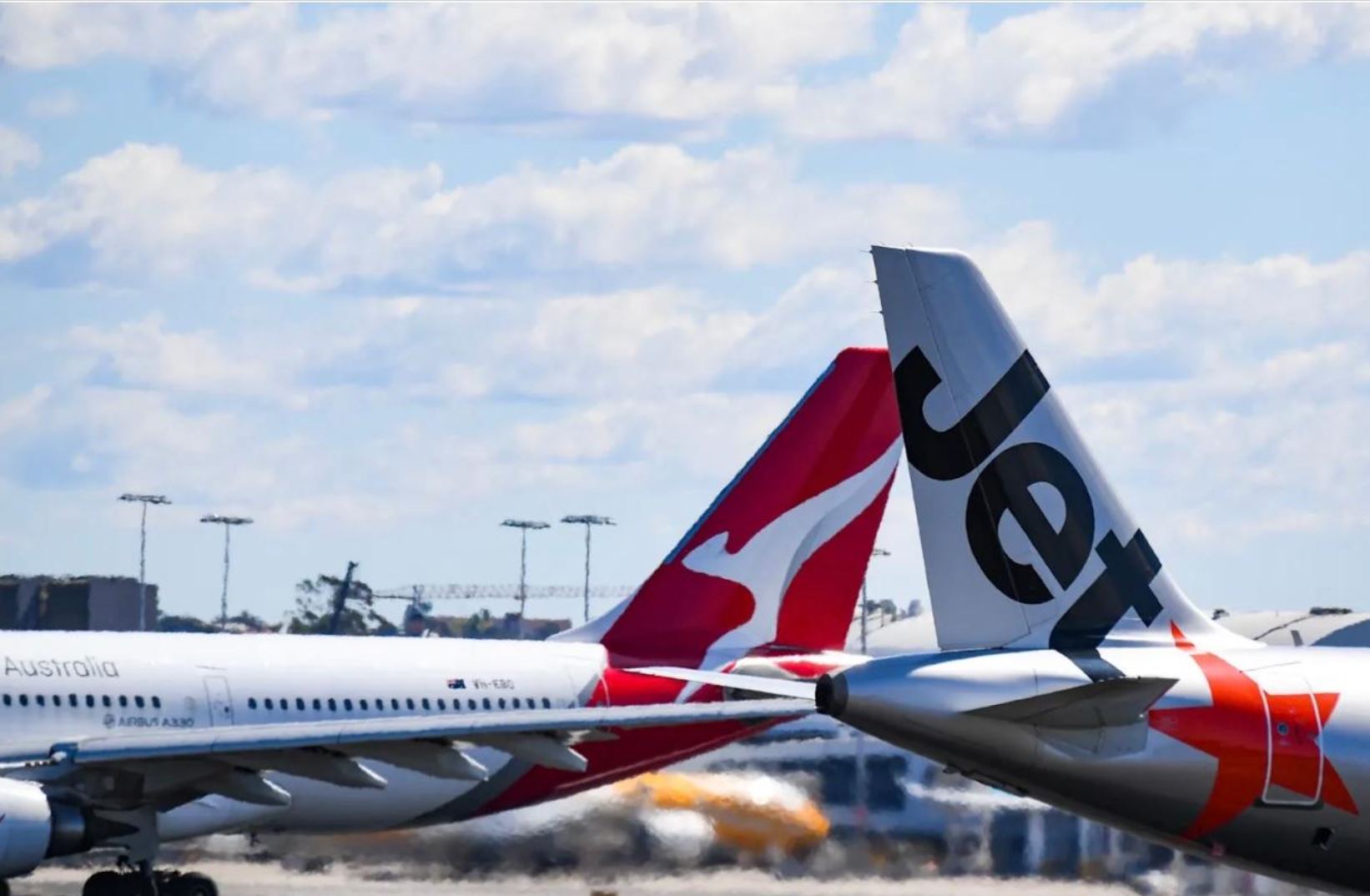
Qantas and Jetstar are cutting flight capacity as fuel prices continue to climb. Qantas Group said jet fuel prices had more than doubled since it released its half-year outlook in February, driven by sharp increases in oil refining margins.
The airline now expects its fuel bill for the second half of the 2026 financial year to rise to between A$3.1 billion (NZ$3.72 b) and A$3.3b (NZ$3.9 b). That’s $600 to $800 million (AUD) more than forecast.
Three weeks ago, Jetstar announced it had cancelled 12% of its scheduled flights in May. The cuts affect Auckland-Wellington and Auckland-Christchurch services, along with Auckland flights to Sydney and Brisbane.
Jetstar flies to Sunshine Coast, Rarotonga, Gold Coast, Cairns, Brisbane, Melbourne and Sydney from several NZ ports.
Its international revenue per seat kilometre in the second half of the year was now expected to grow by 4 to 6%, about double its earlier forecast.
Qantas said demand for Europe remained strong as travellers sought alternative routes that avoid the Middle East.
In response, the airline has moved aircraft away from some United States and domestic services to add more flights to Paris and Rome.
That means New Zealanders travelling to Europe through Australia, particularly during the northern summer, will have more seats, but don’t expect that to bring down prices.
Qantas said fuel suppliers had given it confidence that enough jet fuel would be available through the rest of April and into May, but warned the situation remained uncertain.
The company said it could take further action if fuel prices remain high.