


Please Contribute Here to help us Grow!
Many people in the Indian community came to New Zealand because it is a safe and orderly country – a place where hard work is rewarded and families can build something lasting.
Those expectations matter. They are part of what drew so many here, and part of what makes New Zealand such a special place to call home.
For many Indian families, that commitment is visible in a very practical way: a dairy open before dawn, a restaurant built on years of sacrifice, a retail store passed down through the family. These businesses represent a stake in this country, and the communities around them.
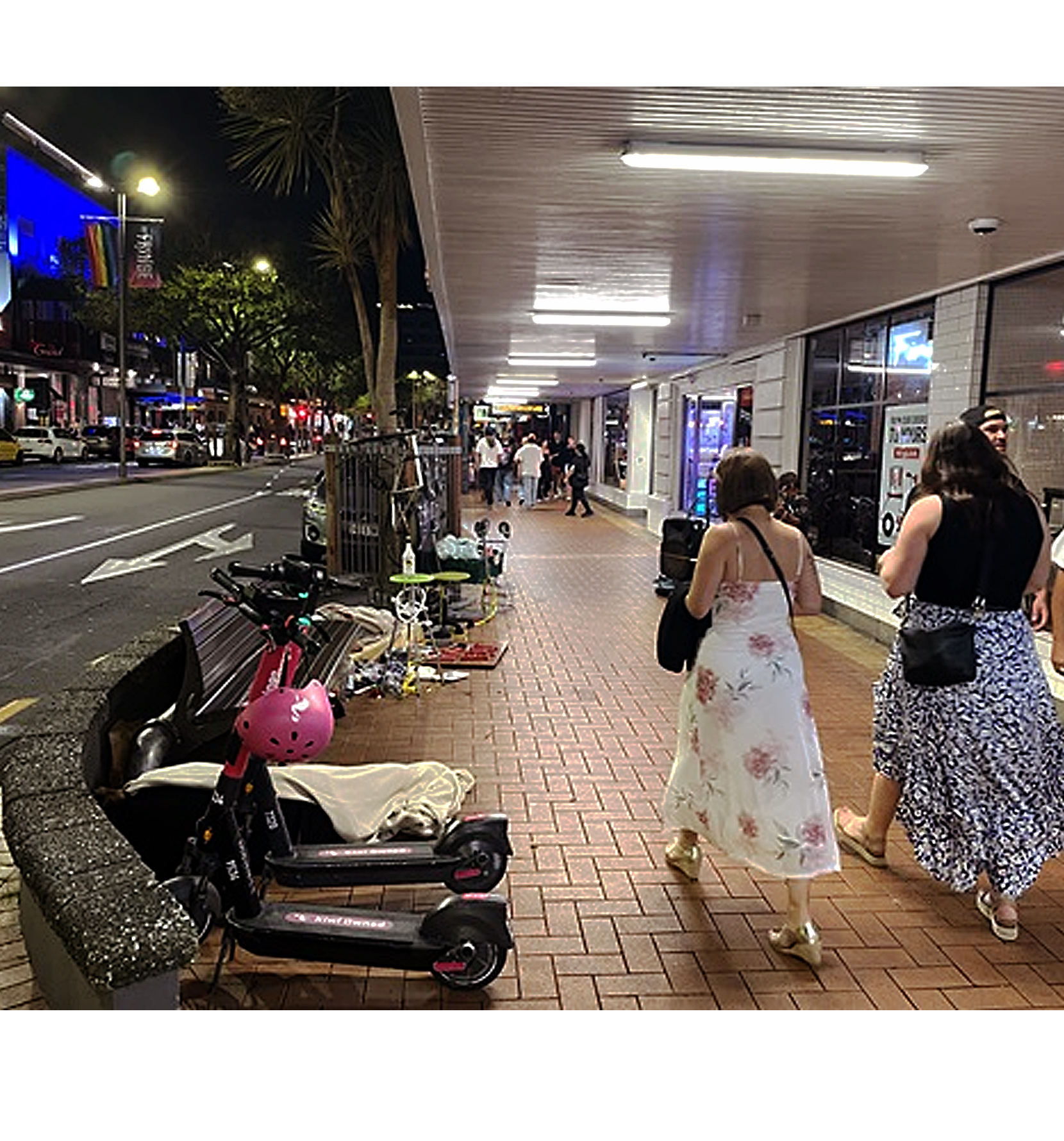
But in recent years, many of our town centres have begun to feel different. Shop owners have told me about aggressive behaviour outside their stores. Workers have described being intimidated while trying to close up in the evening. Customers say they avoid certain areas because they no longer feel comfortable there.
This is not the experience people should have in their own communities – especially those who have worked so hard to become part of them.
That is why the Government is introducing move-on orders, giving Police a practical tool to deal with disorderly behaviour before it escalates into something worse.
At the moment, Police often find themselves in a frustrating position. Officers may see behaviour that is clearly disruptive or intimidating, but unless it crosses the legal threshold for an offence, their ability to act is limited. Situations can continue long after they have already made people feel unsafe. Move-on orders help address this gap.
Under the changes, Police will be able to require someone to leave a specified area for up to 24 hours if they are behaving in ways that are disorderly, threatening, or obstructing businesses. The aim is to allow Police to step in early and restore order before matters get worse.
It is important to be clear about what these powers are – and what they are not.
Being down on your luck is not a crime. Poverty, homelessness, or personal hardship should never be treated as criminal behaviour, and many people facing difficult circumstances need support and compassion.
But hardship does not give anyone the right to intimidate others or make shoppers and families feel unsafe. Public spaces belong to everyone.
Retailers across the country have been raising these concerns for some time. They are tired of calling for help and being told nothing can be done until something more serious happens. Move-on powers give Police the ability to intervene earlier and restore basic standards of behaviour in shared spaces.
Indian communities have invested deeply in this country’s high streets and neighbourhoods. That investment deserves the protection of safe and orderly public spaces, and the confidence that comes from knowing help is available when it is needed. -Dr Parmjeet Parmar, ACT Party MP