



Please Contribute Here to help us Grow!
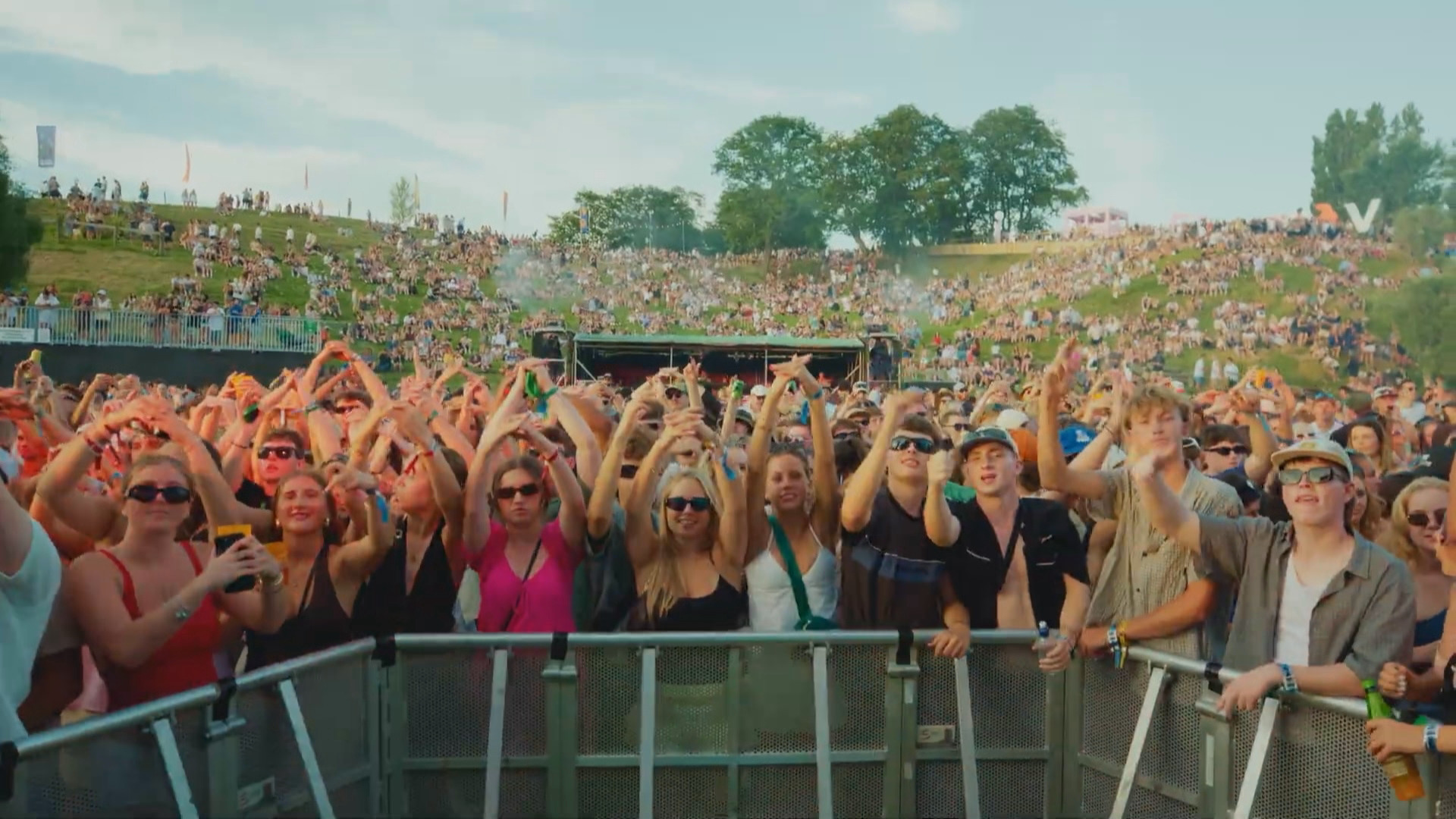
After more than two decades, Splore Festival has confirmed its 2026 event will be its last, becoming one of the latest casualties in a challenging period for festivals both here and overseas.
Around the world, long-running events were disappearing from the calendar. In the UK, more than 120 independent festivals had been lost in the past two years. In Australia, Splendour in the Grass had been cancelled for a second year in a row, while Indonesia’s Nano-Mugen Festival scrapped its Jakarta leg, and Tomorrowland Brasil had suspended its 2026 edition.
In New Zealand, two more casualties joined the list, including One Love which had made the call to cancel and WOMAD, which recently announced it would take a year off. Both organisers said the pressures behind the scenes were mounting.
‘Money’s a lot tighter’

Splore producer Fred Kublikowski said the cost-of-living crisis has changed how people engage with festivals.
“After Covid, what’s happened is, as we all know, money’s a lot tighter,” he said.
“There’s been cultural and economic shifts where most people realistically are focused on feeding their families and surviving, and festivals and entertainment, extracurricular activities that aren’t a priority so much.”
Splore owner John Minty said lower-than-expected ticket sales and the lingering impacts of Covid postponements had made the festival increasingly difficult to sustain.
“We took a rest last summer hoping things would pick up for the 2026 event, but so far that hasn’t happened to the degree that we wanted,” Minty said.
Splore had applied for the Government’s $70 million Major Events and Tourism funding package, but its application was unsuccessful.
Government stands by event funding approach
The Government recently announced the first round of its new Major Events Fund, designed to boost visitor numbers and grow regional economies.
But Tourism and Hospitality Minister Louise Upston said the fund was not designed to rescue struggling festivals.
“I accept it’s really challenging for organisers of events that have been in a bit of a downward spiral,” she said.
“But the fund wasn’t set up to rescue events that were in decline and I don’t believe that would be responsible use of taxpayer money.”
Instead, the fund has backed events such as Linkin Park’s Auckland show, a new Six60 and Synthony collaboration, Napier’s Art Deco Festival, and Ironman New Zealand.
Upston said applications were assessed against strict criteria, including whether existing events were adding something new that could attract international visitors or competitors.
“These are events we know will attract visitors into the regions,” Upston said. “They’ll stay longer, they’ll spend more, and that’s exactly the kind of activity this fund was set up to support.”
Confidence shaken by cancellations
Festival organisers said public confidence has also been damaged by recent cancellations and refund disputes.
Last summer, Juicy Fest went into liquidation, leaving many ticket holders out of pocket.
Consumer New Zealand’s Chris Schulz said the issue often comes down to how ticket money is handled.
“The problem seems to be when promoters don’t ring-fence that ticket money,” he said. “It’s not put aside. They have access to it straight away, and then it’s spent.”

In response, the New Zealand Promoters Association launched a new “Trust Tick” scheme, designed to reassure festivalgoers that their money was protected.
Promoters displaying the Trust Tick must refund ticket buyers if an event is cancelled, hold ticket funds in a trust until the show goes ahead, and follow a strict code of conduct around advertising and consumer transparency.
That included being clear about line-ups, upfront about refund timelines, and communicating openly if anything changes.

Gisborne’s Rhythm and Vines was one of the first festivals to receive the Trust Tick. The event attracts around 30,000 people each year and delivers more than $4 million to the local economy.
Producer Hamish Pinkham says the sector was still under strain, but some events would endure.
“It’s a tough time for promoters,” he said. “But the tried, true, tested products will sustain and will survive.”
Further government funding announcements for major events were expected early next year, but for many independent festivals, the coming summer would be a decisive test of survival.
“It feels like punters are committing later than normal… but we have still got plenty of weeks ahead before the summer holidays,” Pinkham said.(Source: 1News)