



Please Contribute Here to help us Grow!
When we tap our cards at the checkout, most of us don’t think twice about the small surcharge that sometimes appears. Yet behind those extra few cents lies a much bigger question about fairness, for both consumers and for the small businesses that serve them.
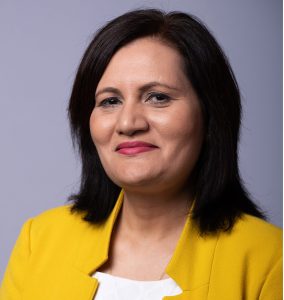
The Government has introduced a bill that would prohibit retailers from passing on contactless payment fees to customers. On the surface, this might sound appealing – after all, no one enjoys seeing an extra charge on the machine. But my job as a Parliamentarian is to look more closely into issues like this. I’ve come to the view the proposal is neither as simple nor as fair as it first appears.
Retailers don’t add surcharges out of greed. Every time a customer uses payWave or another contactless method, the business pays a fee to banks or payment processors. For a café selling coffees or a dairy selling groceries, those fees add up quickly. If retailers are suddenly banned from passing them on, they’ll have no choice but to absorb the costs or raise prices across the board – meaning everyone, even those who pay by cash or EFTPOS, ends up footing the bill.
That’s why I’ve written to the Minister of Commerce and Consumer Affairs and to the Chair of the Finance and Expenditure Committee to propose a more balanced approach. My amendment would apply the ban only to retailers who don’t offer a fee-free alternative. If a store gives customers the option to pay by cash or EFTPOS at no extra cost, it should still be able to apply a small surcharge to cover the higher cost of contactless transactions. But if every customer is forced to pay the surcharge because there’s no alternative, then the ban would apply.
This approach preserves both fairness and choice. It recognises that while consumers deserve transparency and protection from unfair charges, retailers face genuine costs in providing modern payment options. Punishing those who already give customers freedom to choose would be unfair and counterproductive. Many small and medium-sized businesses operate on razor-thin margins, and a blanket ban on surcharges would only tighten the squeeze. If they’re forced to raise prices to compensate, it will add to inflation and hurt customers, too – something no one wants to see right now.
The better path is to encourage competition and choice. We should avoid rules that make it harder for businesses to adapt or that stifle new technologies. Regulation should support innovation, not suffocate it. Small businesses are the backbone of our economy – they create jobs, serve our neighbourhoods, and bring life to our streets. They deserve a payments system that treats them fairly, not one that adds unnecessary cost or red tape.
ACT believes in practical solutions to well-defined problems. Consumers should have clarity, businesses should have flexibility, and policymakers should always consider the unintended consequences of regulation. ACT’s proposal does exactly that: it ensures fairness without penalising innovation or enterprise.
Ultimately, everyone benefits from a system that rewards transparency and choice. When businesses and consumers can operate on fair terms, everyone wins.
Parmjeet Parmar
ACT List MP based in Pakuranga