


Please Contribute Here to help us Grow!
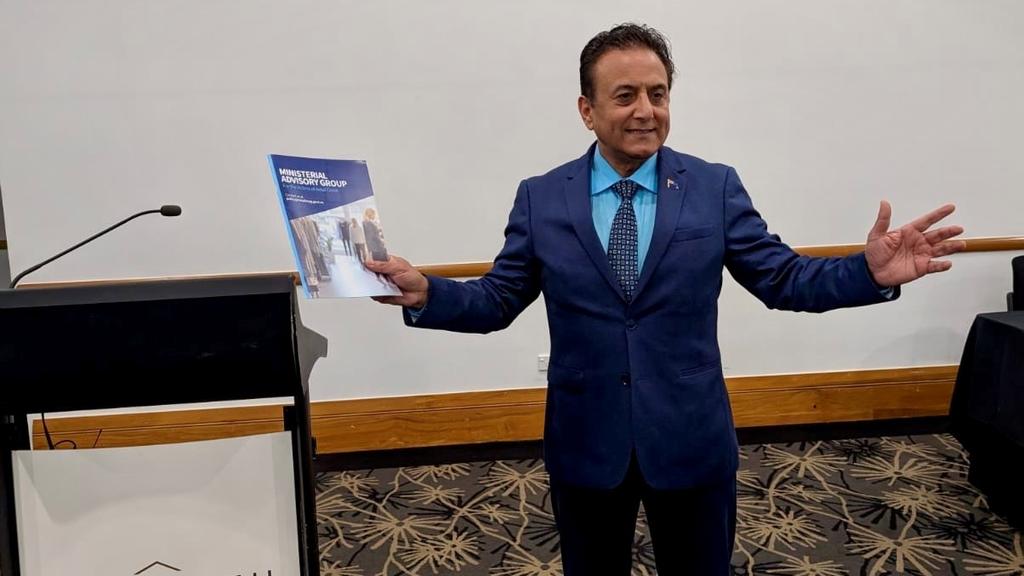
This man successfully tackled youth retail crime in New Zealand. He says Victoria could follow the same plan.
The head of the New Zealand government’s ministerial advisory group for the victims of retail crime, Sunny Kaushal, has told The Australian his country had slashed ram raids by 60 per cent since their peak in 2022 through a combination of tougher policing and having a “zero-tolerance” approach for young offenders.
Mr Kaushal said New Zealand authorities had shifted away from a “soft-on-crime” approach that was led by the then Labour government and which left retailers vulnerable and emboldened gangs.
The crisis helped propel law-and-order to the centre of the 2023 election campaign, which Labour lost. The incoming National-ACT-NZ First coalition promised a zero-tolerance crackdown and in turn, took swift action.
This week the Victorian youth crime crisis was flung into the spotlight once more after two teenagers accused of a machete-fuelled spree across Melbourne supermarkets were granted bail despite police opposition. One of the accused, a 16-year-old, was already facing charges for armed robbery and aggravated carjacking.

Helicopter footage of fleeing offenders and arrests in major youth crime blitz in Melbourne suburbs. Image supplied
The state’s Liberal opposition has contentiously argued Labor’s justice system was failing Victorians and introduced the “Break Bail, Face Jail” policy, which they say will “close the loopholes, end the exemptions, and restore consequences for criminal behaviour”.
However, New Zealand’s reforms go further by including changes to citizens’ arrest laws, tougher penalties for shoplifting, instant fines, and expanded protections for retail workers should they take matters into their own hands.
Mr Kaushal said the reforms had helped restore confidence among shopkeepers, who had felt “overlooked” during a surge of violent youth offending.
Before being named by the coalition government in 2024 to lead the ministerial advisory group, Mr Kaushal was best known as the outspoken head of the Dairy and Business Owners Group, a lobby representing thousands of small shopkeepers and convenience store owners hit hardest by young thugs looking for cash registers and cigarettes.
He became one of Labour’s fiercest critics during the 2022-23 crime wave, accusing the then-Ardern and Hipkins governments of failing to protect workers and effectively branding them as “soft on crime”. His campaign for tougher laws made him a political lightning rod, and a natural choice for the incoming government when it set up the advisory group to deliver evidence-based proposals.
The group’s remit is wide-ranging: from instant fines and reforms to the Trespass Act to exploring the ethical use of facial-recognition technology.
While Mr Kaushal stressed he would not advise Victoria’s Allan Labor government directly without a formal request, he said New Zealand’s experience proved that political will and firm enforcement could turn the tide in the crime-ridden state.

Sunny Kaushal, left, says ‘we’ve seen a 60 per cent reduction in ram raids in New Zealand since they peaked in 2022’. Picture: supplied
“We’ve seen a 60 per cent reduction in ram raids in New Zealand since they peaked in 2022, and I attribute this to two key factors,” Mr Kaushal tells The Australian.
“Firstly, New Zealand Police cracked down on this offending. That meant getting serious with youth offenders and their families, actually holding offenders accountable, rather than continuing with a catch-and-release policy and a soft-on-crime approach that simply does not work.
“It’s about sending a strong and clear message. We cannot allow criminals to prey on our communities and businesses.
“Secondly, we’ve changed the narrative. There is now a zero-tolerance approach to retail crime,” he says.
“The government is pursuing reforms that clearly signal to offenders that there are consequences for their actions, that police will respond when called, and that the courts will properly hold them to account. We’re tackling the culture of impunity by restoring real consequences for offending, and by taking firm action against gangs, including banning gang patches.”
The Allan government overhauled bail laws earlier this year by removing the “detention as a last resort” rule for magistrates. Premier Jacinta Allan has boasted of creating the “toughest bail laws in the country”, but inside children’s courts young offenders continue to be freed, sometimes within hours of their arrest.

Fleeing offenders and arrests in youth crime blitz in Melbourne suburbs, seen from a helicopter. Image supplied.
National Children’s Commissioner Anne Hollands has condemned the bail overhaul, arguing that jailing children was a $1.3 million-a-year “short-term punitive measure” that did not prevent crime.
Latest data from the Crime Statistics Agency released in June shows crimes committed by children aged 10 to 17 were up 17.9 per cent, marking the second quarter in a row that youth crime rates reached record levels.
Master Grocers Australia director Lincoln Wymer said frustrated owners commonly agreed there should be tougher sentencing and measures to hold parents accountable.
“I am open to the government introducing any penalties or legislation that has proven effective in other jurisdictions, provided it has the support of the Victorian public,” Mr Wymer said.
“People are sick and tired of the current wave of crime, and it’s clear we need change. Reforming the bail laws will help, but it is also commonly raised that there should be tougher sentencing and even measures to hold parents accountable.”