


Please Contribute Here to help us Grow!
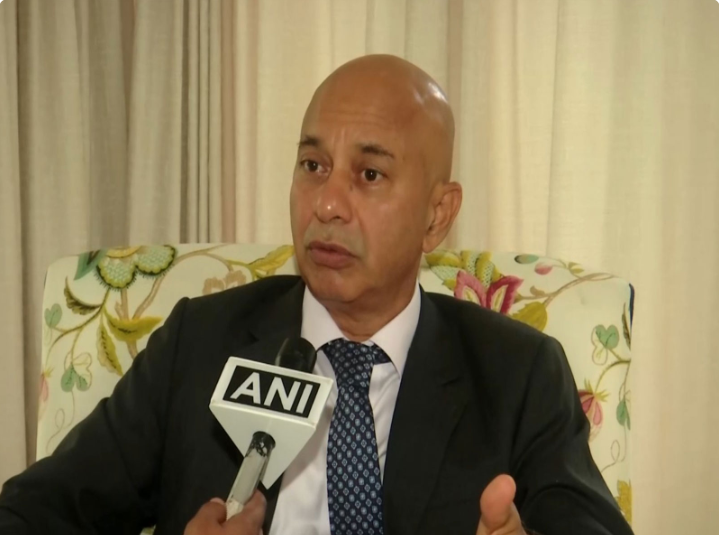
Former Director of Bharat Petroleum Corporation Limited (BPCL), Raj Kumar Dubey, said India’s diversified crude sourcing strategy, strategic petroleum reserves and coordinated government response helped the country withstand disruptions arising from the Strait of Hormuz crisis without major fuel shortages or sharp price hikes.
“Long-term planning is very important. Previously, you had 20 sources; you used to take crude from 20 countries. This has changed in the last 7-8 years, from 20 countries we are today taking crude from 41 countries,” he said.
“So, as soon as the Hormuz Strait was closed, we immediately started talking and negotiating with other countries, as we already have a relationship with them. We again negotiated with them for crude supplies from Russia, the Atlantic side and Western Africa. This was the main reason that you maintained supplies, and some of the shortages were met from our strategic reserves. That’s why we didn’t let crude decrease. Refineries worked at full capacity,” he added.
Dubey said India avoided the fuel shortages and rationing witnessed in several countries because of planning and timely government intervention.
“When this crisis started, it was known that it would be a big problem as more than 85 per cent of our crude is being imported and through Hormuz, 40-50 per cent of your imports are there. So, if the direction is clear from the top that this will not go on for too long, then if we increase the price, the whole country will have to suffer from the inflationary trend,” he said.
“First, oil marketing companies absorbed some of the impact. Then the Government said petroleum companies cannot bear more than this. So, the Government took it upon itself. I think the Government has absorbed more than Rs 1.7 lakh crore in excise duty loss so that this price rise does not happen,” Dubey added.
-TIN Bureau