


Please Contribute Here to help us Grow!
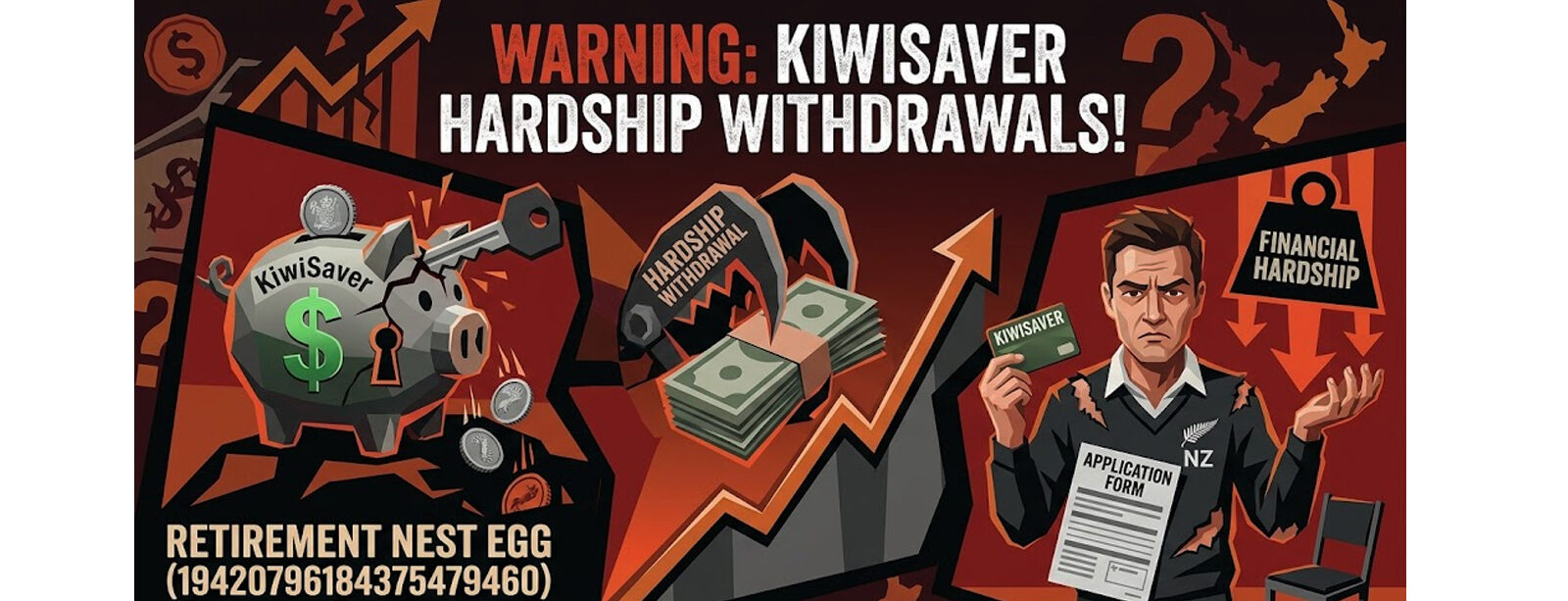
People receiving government benefits in New Zealand are being urged to carefully consider the potential consequences of making hardship withdrawals from their KiwiSaver accounts, as these could affect their eligibility for certain forms of financial support. While KiwiSaver is often viewed as a long-term savings scheme designed to support retirement, increasing numbers of people are accessing these funds early due to financial pressure, sometimes without fully understanding how this may interact with the welfare system.
Graham Allpress, group general manager of client service delivery at the Ministry of Social Development (MSD), explained that the impact of a KiwiSaver withdrawal on benefit entitlements can vary depending on individual circumstances. He advised anyone considering such a withdrawal to seek guidance beforehand to understand the possible implications. Although a one-off withdrawal is not typically treated as income for benefit purposes, the situation becomes more complex when withdrawals are made on a regular or ongoing basis.
Under the Social Security Act 2018, any periodic payments received by an individual may be classified as income, regardless of whether the funds originate from savings or capital. This means that if a person withdraws money from their KiwiSaver account at regular intervals—such as every few months—those payments could be counted as income, potentially reducing the level of benefits they are entitled to receive. This distinction is important because many people may assume that accessing their own savings would not affect government support.
In addition to being considered income in some cases, money withdrawn from KiwiSaver is also treated as a cash asset once it is in a person’s possession. This classification can influence eligibility for means-tested benefits such as the Accommodation Supplement or Temporary Additional Support. These types of assistance are calculated based on both income and available assets, so an increase in either can lead to reduced payments or even disqualification, depending on the thresholds involved.
Recent figures highlight a significant rise in hardship withdrawals. In March alone, more than $49 million was withdrawn by 5,610 individuals, marking an increase compared to the same period the previous year. Over the 12 months leading up to March, there were more than 60,000 hardship withdrawals, roughly three times higher than typical levels seen before the COVID-19 pandemic. This trend suggests that more New Zealanders are turning to their retirement savings to manage short-term financial challenges, making it even more important to understand the broader consequences.
Financial adviser Ana-Marie Lockyer noted that the rules governing how KiwiSaver withdrawals affect benefits are not specific to KiwiSaver itself but are part of the wider structure of the benefit system. Once funds are withdrawn, they are treated in the same way as any other income or asset. However, she pointed out that many people do not naturally think of their KiwiSaver savings in this way, which can lead to confusion and unintended outcomes.
Lockyer emphasised that the risk is particularly relevant for those making staged or repeated withdrawals, especially if they are also receiving housing-related support. What might seem like a practical and controlled approach to managing personal savings could inadvertently reduce their access to financial assistance. This disconnect highlights the importance of viewing KiwiSaver decisions within the broader context of an individual’s financial situation, including their interactions with government support systems.
Allpress reiterated that people should not feel that withdrawing from KiwiSaver is their only option when facing financial hardship. He encouraged individuals to contact MSD to explore other forms of assistance that may be available to them. In some cases, alternative support could help alleviate immediate financial pressure without affecting long-term savings or benefit entitlements.
The key message is that KiwiSaver withdrawals, particularly those made under hardship provisions, can have wider financial implications beyond immediate access to funds. For benefit recipients, understanding how these withdrawals are classified and assessed is crucial to avoiding unexpected reductions in support. Seeking advice and considering all available options can help ensure that decisions made in times of financial stress do not lead to further difficulties down the line.-TIN Bureau