


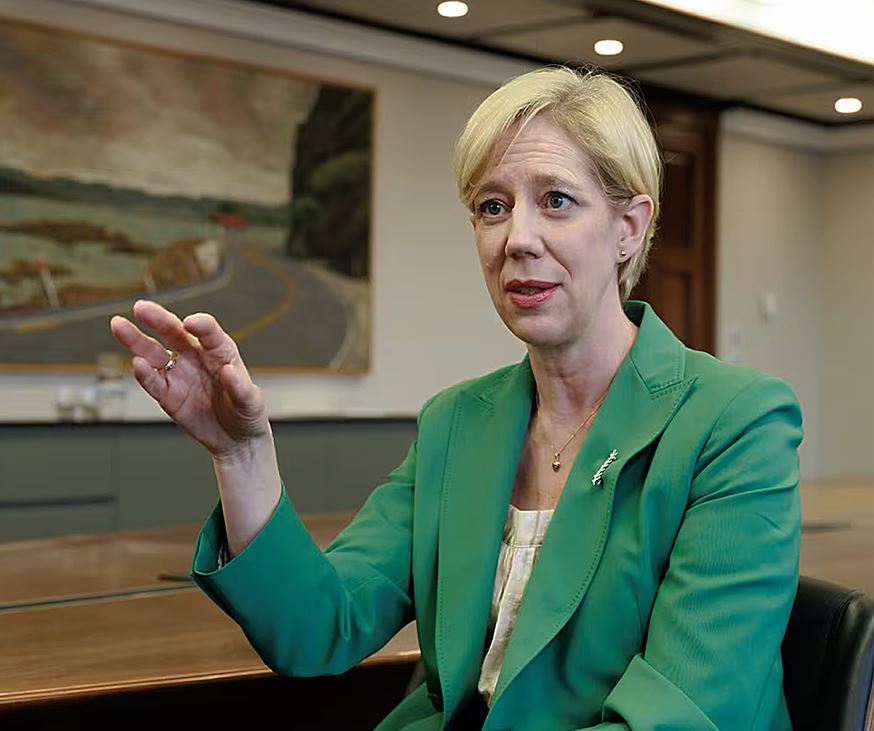
New Reserve Bank Governor Anna Breman has made it clear she will not hesitate to use the full range of policy tools available to the central bank if New Zealand’s housing market shows signs of either excessive overheating or a severe downturn. Her comments come at a time when financial conditions have tightened more than the Reserve Bank anticipated, prompting heightened attention from markets, lenders, and households alike.
Breman emphasised that the Reserve Bank is a “full-service” central bank, equipped with macroprudential tools designed to smooth out extreme fluctuations in the housing market. These include loan-to-value ratio restrictions and debt-to-income limits, which can be deployed to curb unsustainable borrowing during booms or provide stability during periods of sharp correction. She noted that having such tools readily available is essential for maintaining financial stability and protecting household confidence.
Drawing on both historical experience and economic research, Breman warned that severe housing downturns can have long-lasting effects on consumer behaviour. When house prices fall sharply, households often find themselves carrying high levels of debt relative to the value of their homes. As a result, they tend to reduce spending and increase savings for extended periods, which can slow broader economic recovery and make downturns more difficult to reverse.
Her remarks followed an unusual public statement issued shortly after she assumed office, in which she said financial market conditions had tightened beyond what the Reserve Bank’s most recent projections implied. That assessment came after several commercial banks raised interest rates, reflecting market expectations that official interest rates could rise again, despite the Reserve Bank having cut the Official Cash Rate to 2.25 percent late last month.
Breman explained that issuing the statement was important given the long gap until the next scheduled monetary policy meeting. She said it was necessary for markets to understand how she is interpreting incoming economic data, particularly as she is still new in the role. While she declined to say whether market reactions were right or wrong, she noted that the Reserve Bank’s forecast path for interest rates differed from how markets had responded.
Looking ahead, Breman said there remains a small but genuine possibility of another rate cut, depending on how economic conditions evolve. Key indicators such as GDP growth and inflation data, due in the coming weeks, will play an important role in shaping the Reserve Bank’s next decision. She stressed that flexibility remains crucial as policymakers assess whether the economic recovery is gaining sufficient momentum.
Reflecting on her previous experience as a senior central banker in Sweden, Breman described how she was directly involved in monetary policy decisions during the Covid pandemic, when economies were facing severe contractions. She said that although countries adopted different public health strategies, the economic impact was universally severe, requiring central banks to act decisively to support growth and prevent deeper recessions.
Turning to the domestic outlook, Breman said New Zealand has endured several years of weak economic growth and a soft labour market, but there are now signs of recovery. With inflation falling and expected to remain low and stable, she said the priority is to support durable growth and stronger employment outcomes. She reiterated that the Reserve Bank’s recent rate cut was specifically aimed at supporting economic activity during this recovery phase.
Breman also highlighted the importance of ensuring continued access to cash within the financial system. She noted that a significant proportion of adults still use cash, store it for emergencies, or rely on it entirely. Maintaining access to cash, she said, is vital for financial inclusion and crisis preparedness, particularly in situations where digital payment systems may be disrupted.
Overall, Breman signalled a steady but vigilant approach to monetary and financial stability policy, underscoring her commitment to transparency, preparedness, and timely intervention as New Zealand navigates a complex and evolving economic landscape.
-TIN Bureau