

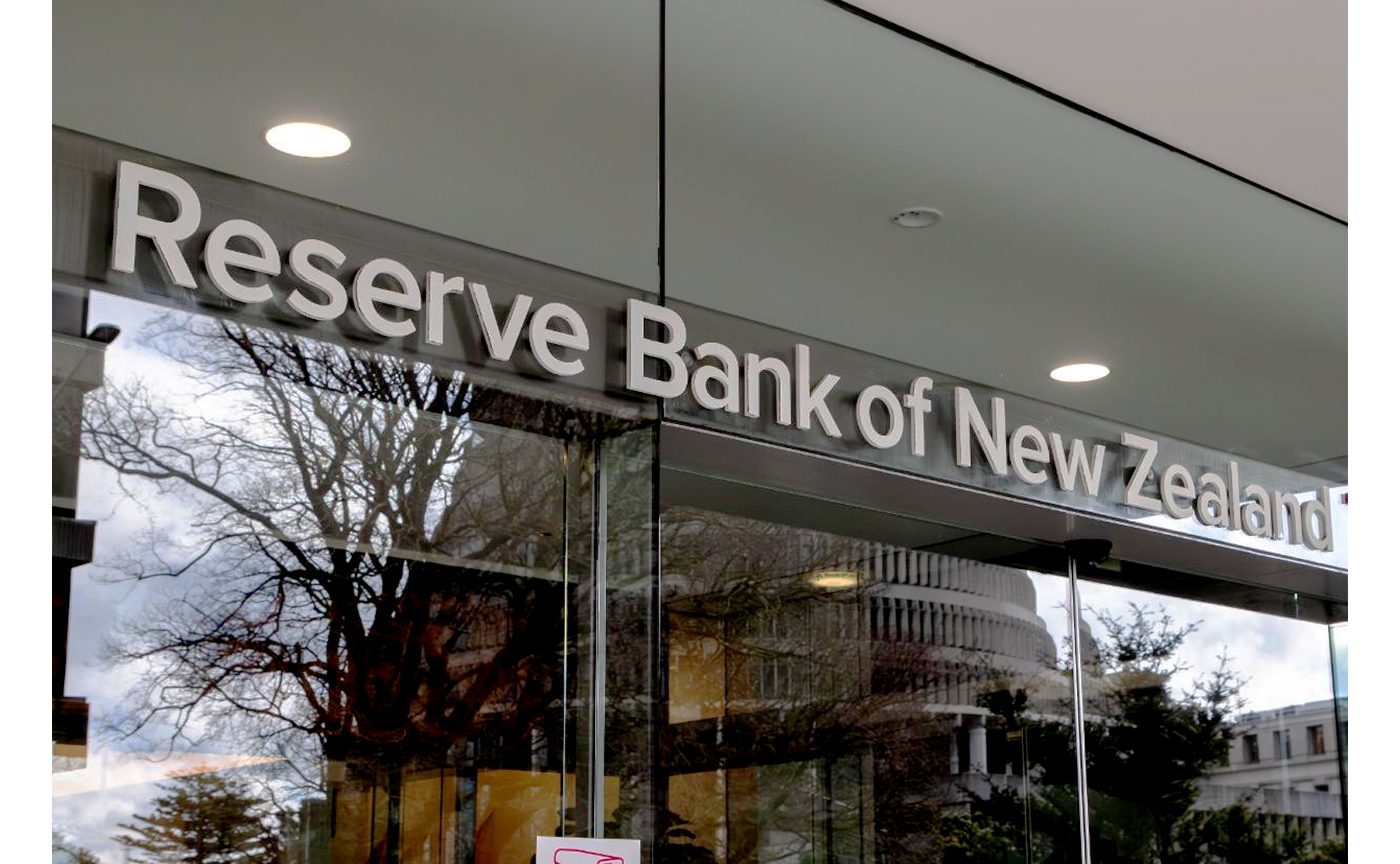
The Reserve Bank of New Zealand (RBNZ) is calling for banks to guarantee basic cash services across the country, arguing that access to physical money remains an essential banking function and a public good.
In a new proposal now open for consultation, the central bank says financial institutions should be required to provide minimum levels of cash access for both consumers and businesses. Submissions on the proposal close on 10 April, following a six-week public consultation period.
RBNZ Director of Money and Cash Ian Woolford said access to cash should not be treated as optional or secondary. “We believe banks must provide cash services to customers, free of charge, because cash is an essential part of a customer’s relationship with their bank,” he said.
Over the past decade, New Zealand has seen a significant reduction in physical banking infrastructure. Around 40 percent of bank branches have closed, with rural communities particularly affected. As branches have disappeared, so too have places where people can withdraw or deposit cash or obtain change for businesses.
The Reserve Bank argues that this trend needs to be reversed. While digital payments have grown rapidly, cash continues to serve important economic, social and cultural functions. As steward of the country’s cash system, the RBNZ says it has a responsibility to ensure that cash remains accessible and that the system supporting it remains healthy.
To meet minimum access standards efficiently, the RBNZ is proposing the expansion of “multi-bank, full-service cash sites,” commonly referred to as banking hubs. These shared facilities would serve customers of multiple banks and provide three core services: cash withdrawals, cash deposits and the exchange of large denomination notes for smaller notes and coins.
At present, five full-service hubs operate in Martinborough, Ōpōtiki, Twizel, Waimate and Whangamatā. However, access is currently limited to customers of ANZ, ASB, BNZ, Kiwibank, TSB and Westpac. Other locations offer only partial services or restrict access to customers of the host bank.
The Reserve Bank has also been trialling new solutions. In Waipukurau, it is testing an advanced automated teller machine that operates 24 hours a day. The machine allows users to withdraw cash, exchange notes for different denominations and soon, deposit business takings directly into accounts.
Under the proposal, banks would be collectively responsible for ensuring adequate geographic coverage of cash services. The RBNZ suggests a benchmark of 2.5 cash service sites for every 10,000 people.
In urban areas, hubs should be located where at least 1,000 residents live within a three-kilometre walking distance. In rural communities, sites should serve populations of between 200 and 1,000 people and be reachable within a 15-kilometre drive. For more remote areas, the maximum suggested distance is 30 kilometres.
To illustrate how this could work, the Reserve Bank has produced 66 district maps outlining proposed urban and rural hub locations. Detailed arrangements for transporting and managing cash would be worked out later in consultation with the banking sector.
A key argument in the proposal is that the financial burden on banks would be modest. Woolford said the estimated annual cost of maintaining enhanced cash services would be around $104 million.
By comparison, the combined annual pre-tax profits of New Zealand’s banking sector exceed $10 billion. “This cost is negligible,” Woolford noted, especially when weighed against the broader public benefits of maintaining a robust cash system.
The Reserve Bank estimates that cash services generate approximately $2.83 billion in annual economic and social benefits. Internationally, several countries are also moving to protect access to physical money as digital payments expand.
Despite the rapid growth of electronic transactions, research suggests cash remains widely used. More than 80 percent of adults report using cash at least occasionally, and over half say they keep cash stored. Around 8 percent of the population rely heavily on cash as their primary means of payment.
The RBNZ’s proposal does not dictate exactly how banks must meet the standards, leaving room for innovation and collaboration. However, it makes clear that responsibility lies with the industry to ensure consistent and equitable access nationwide. Public submissions are open until 10 April, after which the Reserve Bank will consider feedback before deciding on next steps. -TIN Bureau

By The Editor The Indian News
Yugal Parashar, Editor, The Indian news