


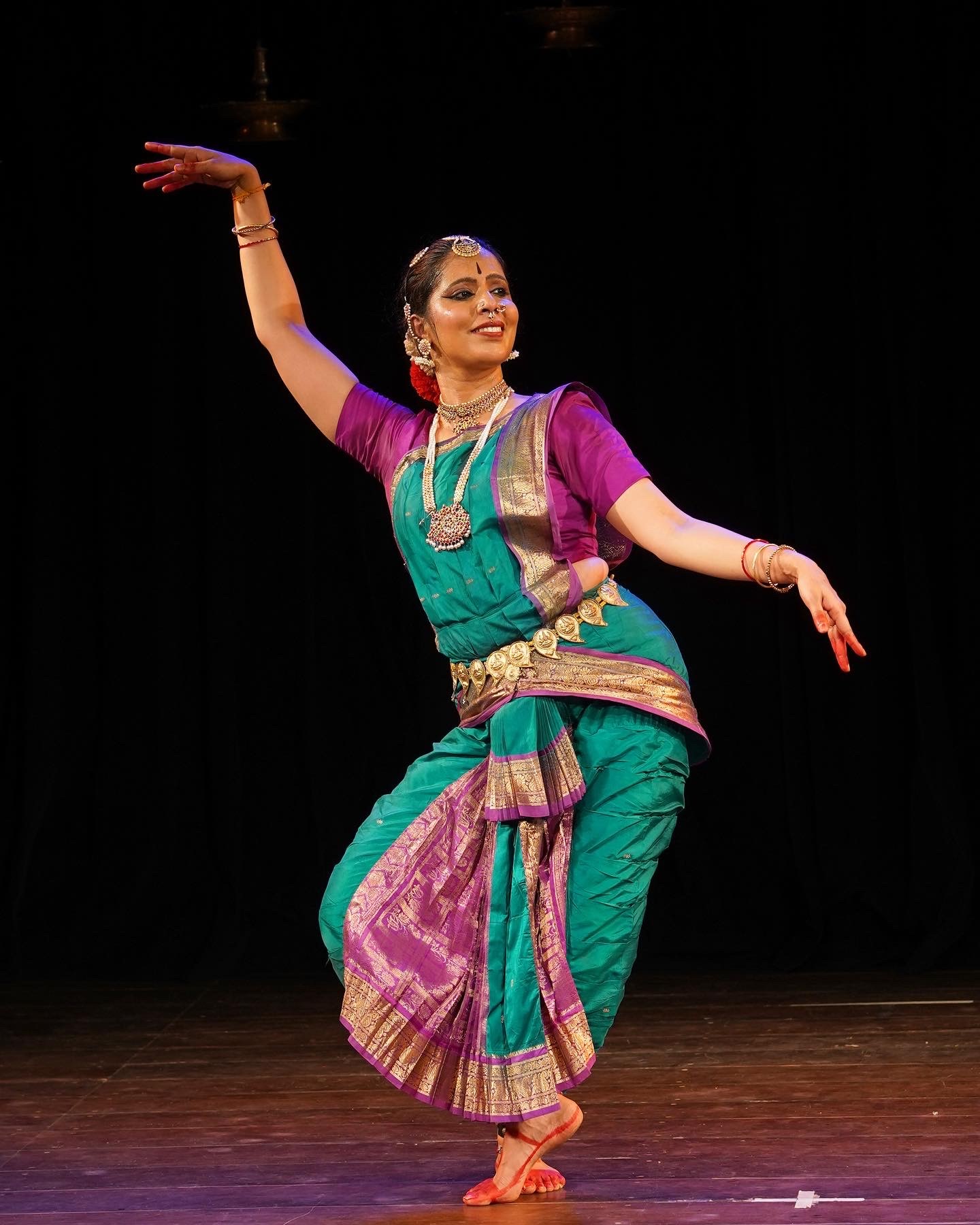
Many are often surprised to learn that Indian art forms are deeply interconnected with literature and that a holistic understanding of art requires familiarity with its literary foundations. For a layperson, art is often perceived purely as a practical activity i.e one dances, sings, paints or performs, while the historical, philosophical and theoretical foundations behind these practices remain largely unknown.
The true beauty of Indian art lies in this very history and tradition, preserved meticulously through literature. It is this strong literary foundation that has ensured the survival of Indian art forms for thousands of years, unlike many contemporary art forms that often lack deep-rooted origins. Classical dance, classical music, painting, sculpture, yoga and other traditional disciplines are not recent creations; they are structured systems developed over centuries. Dedicated Vedas, Śāstras, and treatises clearly explain their origins, grammar, aesthetics and methods of practice.
In earlier times, this knowledge was transmitted through strong oral traditions, allowing each generation to inherit and preserve the art with integrity. Historically, great artists and patrons of art including kings and scholars were well-versed in literature and the arts. This intellectual grounding enabled the creation of diverse and profound works that continue to be performed and studied today. Even in contemporary times, it is difficult to challenge the mastery and depth achieved by legendary artists of earlier generations. Their unwavering commitment to authenticity, rigorous practice and reverence for tradition resulted in timeless and exemplary artistic contributions.
There is a common misconception that ancient literature is outdated, irrelevant or monotonous. On the contrary, these texts are time-tested bodies of knowledge, an amalgamation of insights and experiences of numerous seers, scholars and practitioners. Even today, artists can turn to these literary sources to understand the finer nuances of performance, expression and technique. Almost every aspect of artistic practice finds reference in the literature, offering clarity and depth to both learning and performance. Literature also answers one of the most fundamental questions in artistic practice: why certain things are done in a particular way. Many who are unaware of these texts often question the relevance or purpose of specific conventions. However, these answers already exist within the literature, serving as a treasure trove that safeguards the continuity and authenticity of the art forms.
What is often perceived today as “out-of-the-box thinking” is, in many cases, simply a lack of awareness of existing knowledge. Our literature has explored and articulated artistic principles in remarkable detail thousands of years ago. Before attempting to step outside the box, it is essential to first look inside it where immense wisdom already resides. In fact, one should take pride in using what already exists, for it reveals the depth and profound knowledge that our traditions have preserved over centuries and fosters greater awareness of the wisdom we already possess.