


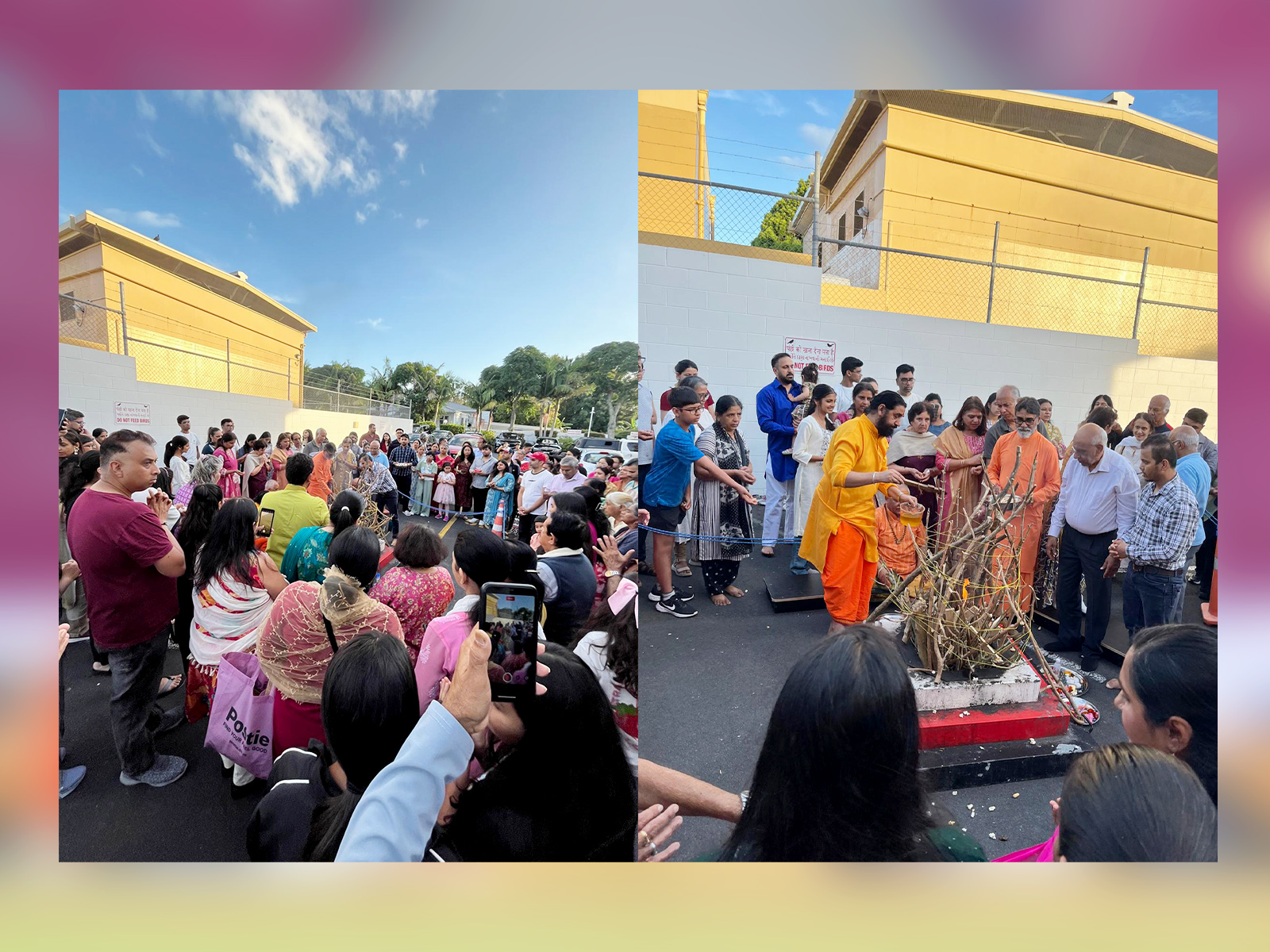
Lohri and Makar Sankranti, festivals symbolising harvest, renewal, and the change of seasons, were celebrated with great joy and enthusiasm across India and in many parts of the world where Indian communities reside. Rooted deeply in India’s agrarian traditions, these festivals mark the end of winter and the arrival of longer, warmer days, bringing with them hope, prosperity, and gratitude for nature’s bounty.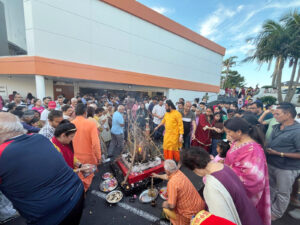
Though celebrated under different names and customs across various regions of India, the essence of Lohri and Makar Sankranti remains the same thanksgiving for a successful harvest and reverence for the sun’s northward journey. Lohri is especially popular in northern India, while Makar Sankranti is observed nationwide as a sacred transition in the Hindu calendar. Together, the festivals reflect India’s rich cultural diversity and shared spiritual heritage. 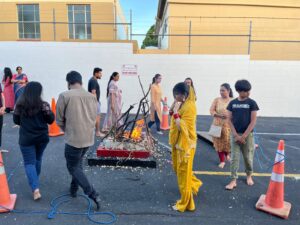 In Auckland, one such celebration was held at Bharatiya Mandir, New Zealand’s oldest Hindu temple, which became a vibrant centre of devotion and festivity. Several hundred devotees gathered at the temple to participate in the sacred celebrations, transforming the premises into a lively and spiritually charged atmosphere. Families, elders, and children came together, reinforcing a strong sense of community and cultural continuity among the Indian diasporas.
The celebrations began with a brief but meaningful religious pooja conducted by the Mandir’s Acharyas. Prayers were offered seeking blessings for prosperity, good health, and harmony in the coming year. The pooja set a devotional tone for the event, reminding participants of the spiritual significance of the festivals beyond their social and cultural aspects.
Following the pooja, the traditional Lohri bonfire was ceremonially lit, marking the highlight of the celebrations. The bonfire symbolises the passing of the old season and the welcoming of new beginnings. Devotees gathered around the fire, forming circles as they sang traditional Lohri songs filled with joy and gratitude. As part of the ritual, offerings such as popcorn, groundnuts, and rewari were reverently thrown into the fire, expressing thanks to nature and prayers for abundance in the year ahead.
The atmosphere around the bonfire was filled with warmth and celebration. Some participants broke into spontaneous dance while circling the fire, clapping to the rhythm of folk songs and enjoying the festive spirit. The sound of laughter, music, and devotional chants created a sense of unity and shared happiness among those present.
Makar Sankranti, which signifies the sun’s movement into the zodiac sign of Capricorn, was also remembered during the celebrations. The festival is considered highly auspicious and symbolises positivity, knowledge, and progress. Devotees exchanged greetings, sweets, and good wishes, reflecting the festival’s message of harmony and goodwill.
The celebrations concluded with the serving of a sumptuous meal to all devotees who visited the Mandir. The shared meal, prepared with care and devotion, added to the spirit of togetherness and hospitality. People sat together, exchanged festive greetings, and enjoyed traditional flavours, bringing the celebrations to a warm and satisfying close.
The Lohri and Makar Sankranti celebrations at Bharatiya Mandir once again highlighted the strength of cultural traditions in uniting communities far from their homeland. Through prayer, ritual, music, and shared food, the festivals provided an opportunity for the Indian community in Auckland to reconnect with their roots while passing on cherished traditions to the younger generation.
The joyous celebration stood as a reminder that festivals are not just events, but living expressions of faith, gratitude, and community spirit, values that continue to thrive wherever Indians make their home.-TIN Bureau