


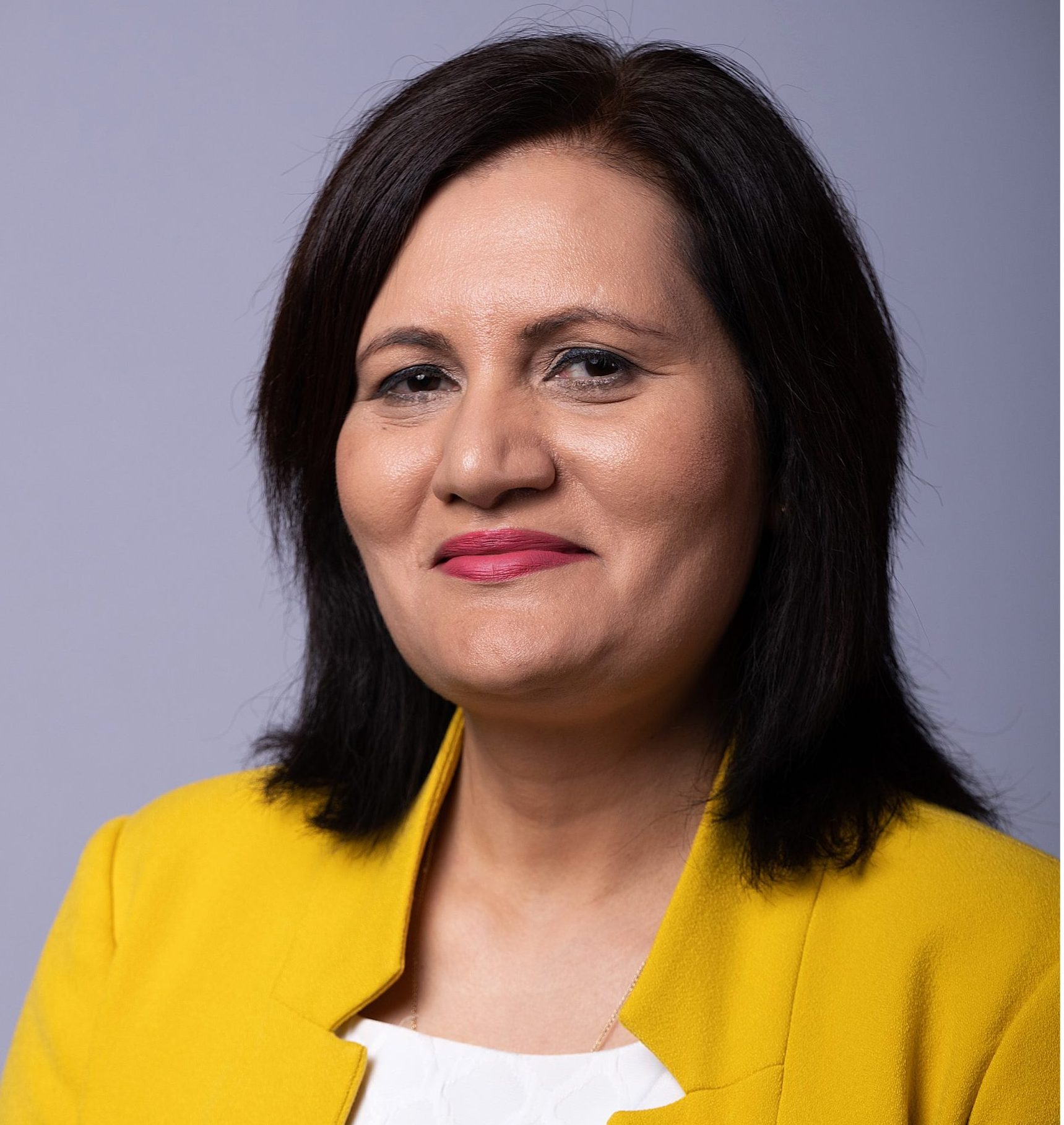
As a parent and a Member of Parliament, I hear often from families worried about the impact of the online world on their children. Social media and digital platforms are now part of everyday life, but they can also expose young people to bullying, harmful content, and unhealthy screen habits.
These concerns are real, and they deserve to be taken seriously. That is why I asked Parliament’s Education and Workforce Committee to launch an inquiry into the harm young New Zealanders encounter online. The purpose was clear: understand the problem properly before deciding what role, if any, government should play.
The Committee has now released its interim report. While it usefully confirms that online harm is a serious issue, I am concerned that it moves too quickly toward policy solutions before the inquiry is finished.
There are no easy answers when it comes to children and technology. Rushing toward big, headline-grabbing solutions may sound reassuring, but it risks putting in place rules that do not work, create problems, restrict
freedoms unnecessarily.One example is the growing push for an under-16 social media ban. Australia has recently introduced such a ban, but it is far too early to know whether it actually improves safety for young people. There is no evidence yet that it reduces harm.
Early discussion has already raised concerns about how such bans would work in practice. Questions remain about privacy, how age would be verified, how the rules would be enforced, and whether children would simply move to less visible and harder-to-monitor online spaces.
New Zealand has the advantage of being able to watch and learn from Australia’s experience. We should take that opportunity, rather than rushing to copy policies before we know whether they succeed or fail.
Another concern is that the interim report does not properly assess what is already in place. Before creating new regulators or new laws, we should first ask some basic questions. What current measures are working? Which ones are not? And why?
If existing efforts are falling short, is it because they are poorly designed, under-resourced, or simply not well understood or used by families and schools? Without answering these questions, it is not responsible to add new layers of regulation.
The report also struggles with something very basic: defining what “social media” actually is. As written, the definition risks covering almost the entire internet. That lack of clarity makes it very hard to design fair and effective rules.
ACT believes parents and caregivers are the first and most important safeguard when it comes to children’s online lives. Families are best placed to set boundaries around devices, screen time, and online behaviour, because they know their children and their values better than any regulator in Wellington.
That does not mean government has no role at all. There may be cases where careful, proportionate action is justified. But any intervention must be based on evidence, be workable in practice, and respect individual rights and freedoms.
The interim report was meant to set the groundwork for a full and thoughtful final report in early 2026. Instead, it risks locking in conclusions too early and narrowing the options before all the evidence has been properly considered.
Children deserve careful, evidence-based policymaking, not rushed decisions. Parents deserve clear thinking and honest answers. That is why ACT supports the inquiry but rejects the rush to lock in policy conclusions before the evidence is in. Some parties appear ready to legislate
first and ask questions later. ACT will continue to argue for a more responsible approach that respects families, relies on evidence, and avoids harm caused by poorly considered laws.
Getting this right means trusting parents, demanding evidence, and resisting the urge to legislate first and think later. -Dr Parmjeet Parmar, ACT Party MP