


Have we ever paused to think why we’re often told to move our bodies? Is movement simply exercise or is something deeper happening within us? Consider this analogy: what happens if we leave a vehicle parked for a week? It may take time to start or it might not start at all, simply because it hasn’t moved. Our bodies work the same way.
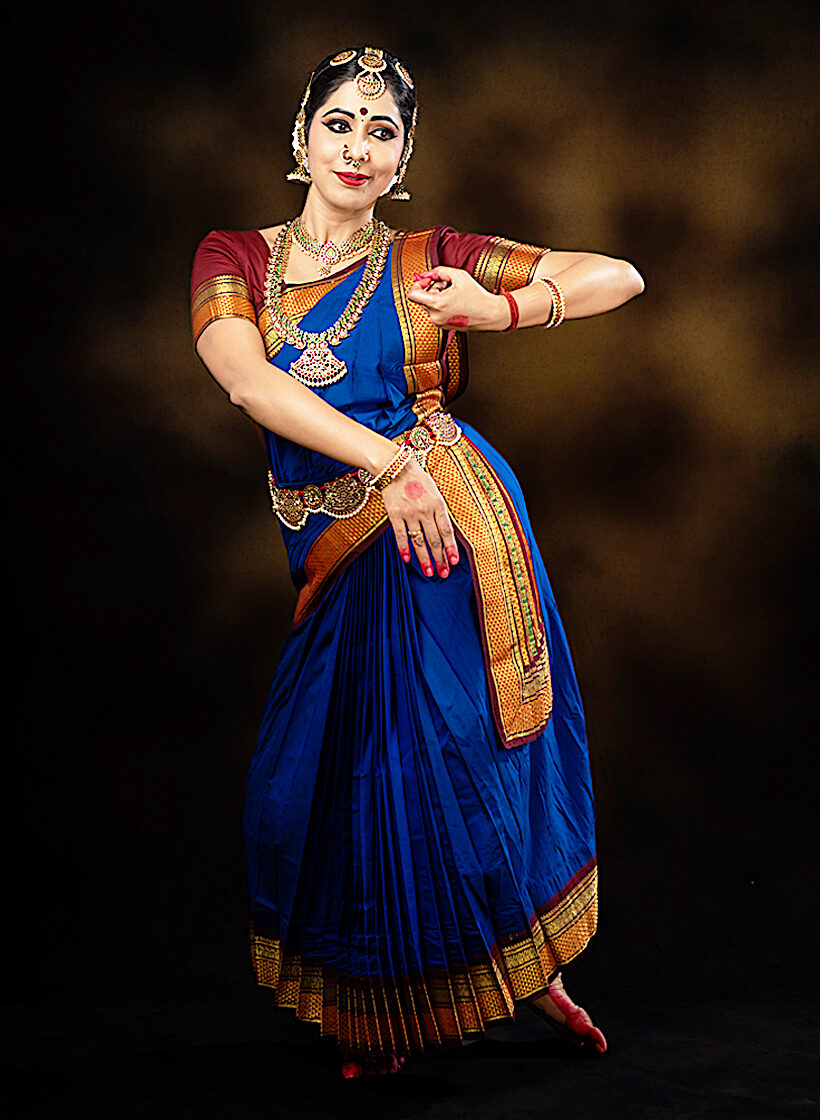
Movement can be as simple as walking, jogging or exercising. While these are undoubtedly beneficial, there is a special kind of movement that happens through dance. Why do I call it special? Because exercise can sometimes feel boring or forced but dance is naturally engaging. Without even realising it, we move every part of our body from head to toe. Something as simple as an eye exercise may feel dull, yet becomes enjoyable when done within a dance movement.
Dance supports the body’s natural healing system. The continuous movement increases blood circulation, which helps deliver more oxygen to the muscles and organs. It improves flexibility, strengthens joints and enhances balance making the body more stable and less prone to injuries. The coordinated movements stimulate both sides of the brain, improving motor skills and overall body coordination. Even gentle dance increases endorphins, reduces muscle tension and supports better posture. Over time, regular movement through dance can ease stiffness, support heart health and improve energy levels. The different angles, stretches and positions we explore while dancing not only work the body but also activate dopamine, the “feel-good” hormone that brings joy. This explains why dancers, although physically tired after practice, often feel mentally light, happy and satisfied. So, while one level of healing is physical, the other is deeply emotional and mental.
Dance is also tied to rhythm, which helps us stay in pace and improves coordination. Through my own experience teaching children with special needs, I have seen how their sense of rhythm slowly develops, just as anyone naturally moves their head or taps their foot when they hear music, even if they are not trained dancers. Because dance is an expressive art form, it allows emotions to flow through movement. This is why people feel uninhibited joy while dancing at Garba nights or celebrations. The psychological shift is real, even if it cannot be fully explained in words.
Beyond individual wellbeing, dance also creates a powerful sense of connection with others. When people move together whether in a class, a community event or even a family gathering there is a shared energy that uplifts everyone. This collective movement builds a feeling of belonging. In many cultures, dance is used to celebrate milestones, heal grief, strengthen community bonds and pass down traditions. When we dance with others, we realise that movement is not just a physical act but a way of communicating without words. It reminds us that healing can also come from being seen, supported and connected through rhythm and motion.
Around the world, research continues to explore how dance therapy supports people dealing with different conditions and how movement contributes to overall healing. The beauty of dance lies in its simplicity. We don’t need grand steps or perfect technique, just moving to our favourite song can lift our spirit. Try it once, and you’ll understand exactly what I mean. –by Dr Rashmi Thaper