


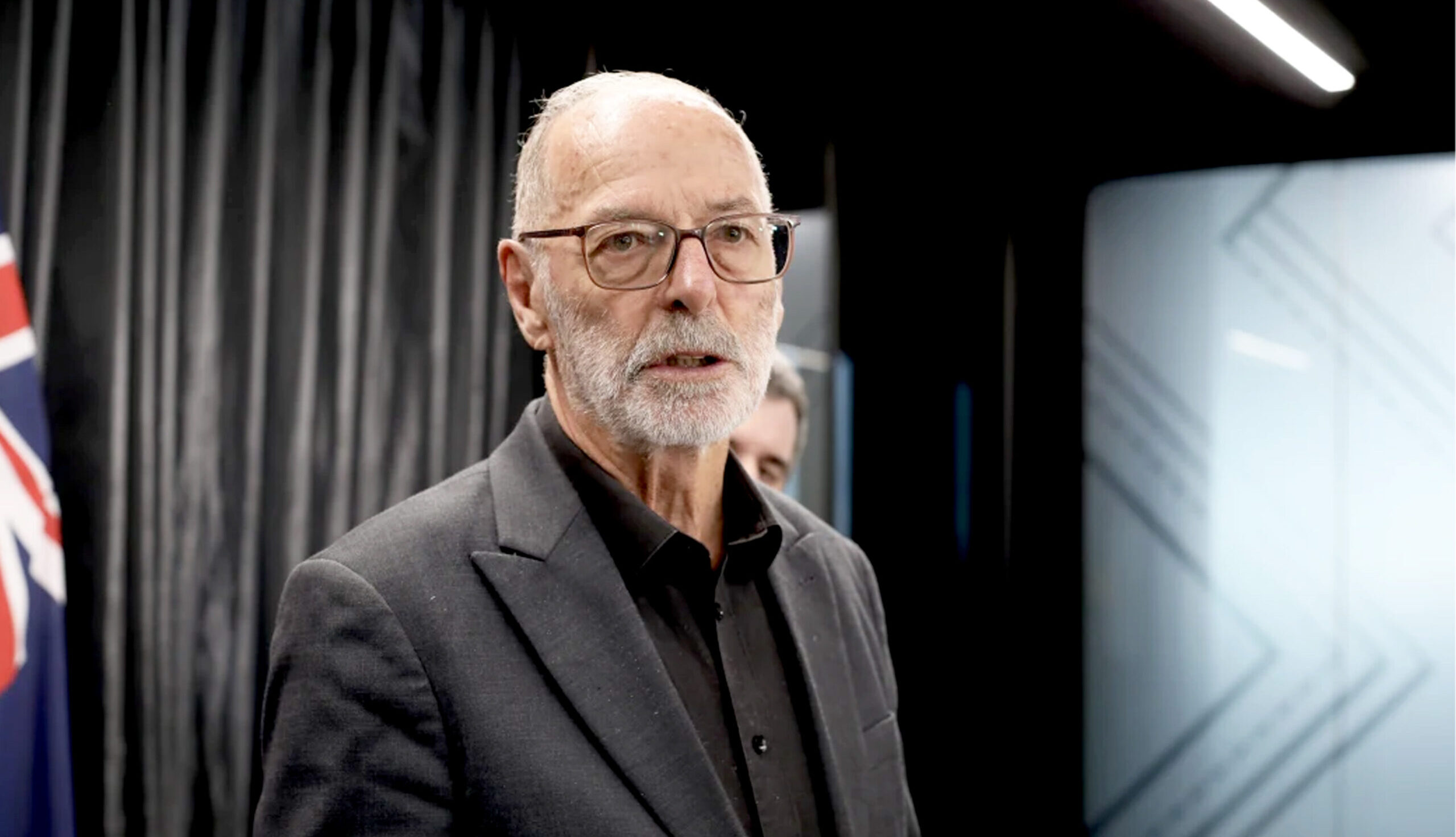
Auckland Mayor Wayne Brown has issued a sharp warning to the government over its proposed cap on council rates increases, arguing the policy is unworkable, disconnected from local realities, and potentially damaging to critical infrastructure projects such as the City Rail Link (CRL). His criticism comes as the government plans to set new national limits on annual council rate rises, restricting them to a target range of 2 to 4 percent unless councils receive special approval to go higher.
Under the proposal, which is scheduled to come into effect on 1 January 2027, councils would need to justify any rate increase outside the designated range by appealing to a newly empowered regulator. Central government argues this intervention is necessary to protect households that have faced steep rate hikes in recent years, but many local leaders say the cap could hinder their ability to plan, invest, and maintain essential services.
Brown, known for his outspoken approach, said the government’s target range is unrealistic for a rapidly growing and complex city like Auckland. According to him, the policy fails to acknowledge not only the existing financial pressures councils face but also the long-term infrastructure commitments they are obliged to fund. “How else does the government think we’re going to pay for what Auckland needs?” he asked. “Projects like the City Rail Link come from decisions made by previous governments and councils. They don’t just fund themselves, and we can’t pretend costs stop increasing because Wellington says so.”
The mayor emphasised that councils regularly deal with large-scale investments and should not be constrained by what he views as a politically motivated directive from central government. He argued that imposing a blanket cap ignores the insight councils have into their own budgets, assets, and operational demands. “I’m a strong advocate for value for money. But value comes from understanding the problem you’re trying to fix—not from artificially capping revenue and hoping the math works out. A cap won’t solve the issue; it will simply push the costs further down the line, leaving ratepayers to face even bigger bills.”
Brown’s criticism coincides with his own proposal for Auckland’s 2026/27 Annual Plan, which outlines a 7.9 percent residential rate rise. He said this increase is primarily needed to cover the ongoing operational costs of the City Rail Link, which is close to completion but still requires significant funding to run effectively. “The main reason rates will rise next year is because we have to fund the CRL,” he said. “This is a project the government is jointly responsible for. If they insist on a cap, we’ll be left with an expensive rail tunnel but no trains or drivers to operate it.”
He also expressed concern that the cap would interfere with councils’ ability to respond to the triennial property revaluation cycle. Rating valuations often lead to substantial shifts in the distribution of who pays what, and councils typically adjust rates accordingly. A cap could freeze councils into unsustainable positions, he said, and prevent them from making the necessary transitions. Brown suggested two alternatives: allowing phased adjustments to valuation-driven rate changes and requiring the government to pay rates on its own properties—an obligation central government currently avoids.
Local Government Minister Simon Watts defended the proposal, saying a national rates cap is needed to protect households that are struggling with cost-of-living pressures. Many communities, he said, have faced rate rises in the double digits, levels he described as simply unaffordable. “There are people out there who cannot keep absorbing 20 percent increases,” he said. Watts insisted that the government would work cooperatively with councils to refine the policy and that the details would be developed over the next year.
Opposition Leader Chris Hipkins added that a cap could push councils to raise fees for individual services—such as rubbish collection, water use, and community facilities—as they look for alternative revenue sources. While he acknowledged double-digit increases are unsustainable, he said the deeper issue is how local government will fund the growing list of responsibilities placed on it.-TIN Bureau