


Every New Zealander — at some point in their life — has faced a medical emergency, either personally or through a loved one. And almost every story carries the same bitter theme: endless waiting, delayed responses, and an overwhelming sense of helplessness. The dedication of doctors, nurses, and paramedics is never in doubt. What is in doubt — and rapidly losing public trust — is the very system that is meant to deliver timely healthcare. New Zealand’s health system is crumbling, and ordinary people are paying the price.
The shortage of doctors and medical staff is no longer a hidden problem — it is a national crisis. Waiting 4, 5, even 6 hours in an emergency room just to be seen by a doctor has become the new normal. The most serious cases, those in desperate need of urgent attention, are left to the mercy of whatever staff happen to be available. Even the simple expectation of an ambulance arriving promptly after dialling emergency services is now nothing more than a false hope. Lives are being gambled away by a system that is no longer fit for purpose.
A chilling example of this collapse unfolded recently on Sunday, 21 September, at the Annual General Meeting of Bharatiya Mandir — New Zealand’s oldest Hindu temple and an Auckland landmark. The gathering of around 30–40 community members was drawing to a close at 5 p.m. when disaster struck. Roshan Nauhria — 81 years old, Trustee Chairperson, one of the founders of Bharatiya Mandir, a respected industrialist, philanthropist, and community leader suddenly collapsed. He became dizzy, began vomiting, and within minutes was semi-conscious, gasping for breath.
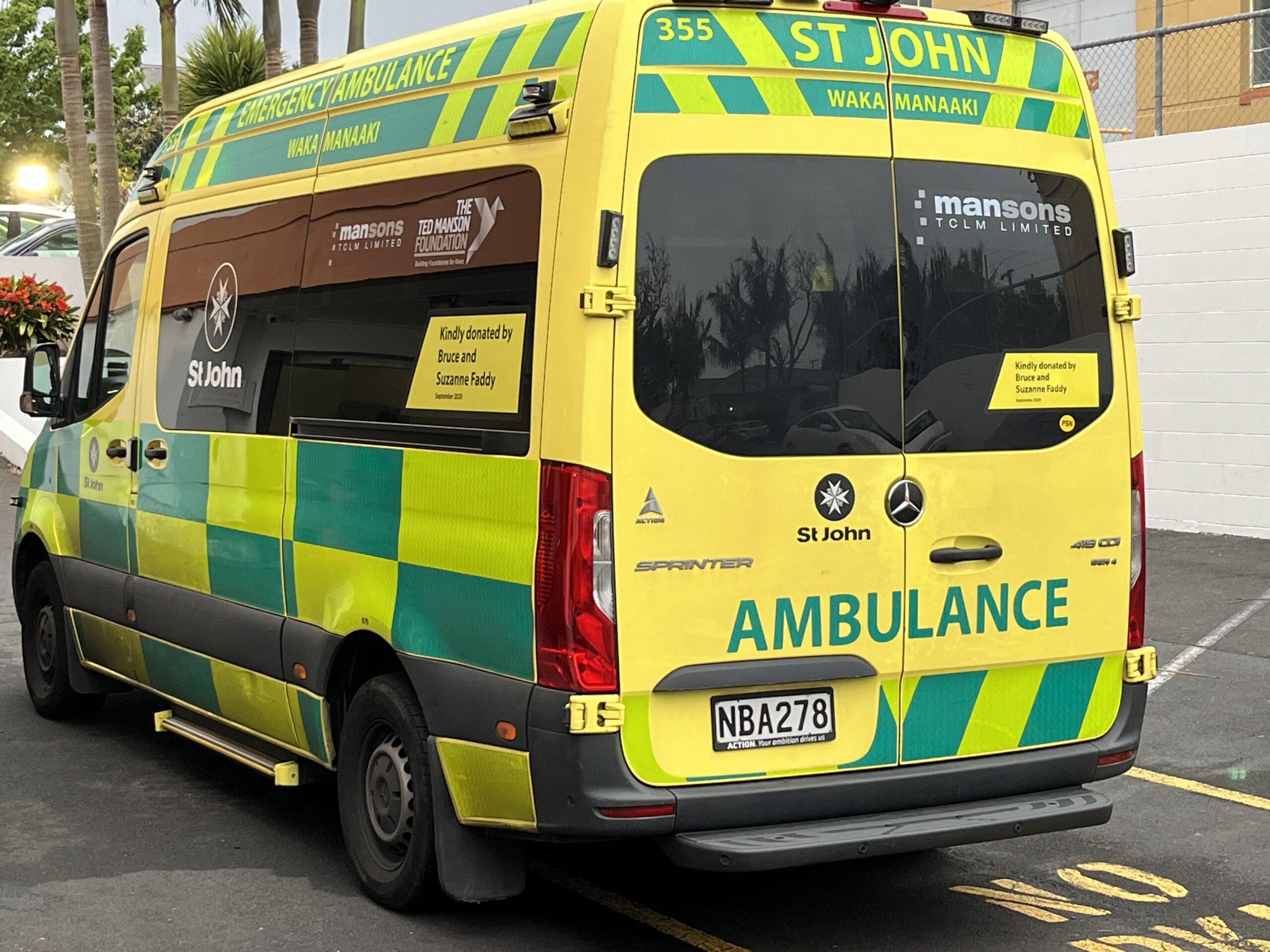
The meeting ended abruptly as panic set in. Frantic calls were made to St John Ambulance around 5 p.m., with callers making it absolutely clear: this was a medical emergency involving a senior citizen in grave condition. Yet despite repeated calls and desperate follow-ups, an ambulance did not arrive for an entire hour. For sixty unbearable minutes, Mr. Nauhria, a man known for his fitness, generosity, and support for countless charities and political parties, lay in distress. Community members stood powerless, watching him slip further into danger.
When the ambulance finally arrived, there was relief — but it was short-lived. At Auckland Hospital, the ordeal continued. It took several more hours before Nauhria was properly attended to and treatment commenced. What should have been a swift and decisive emergency response turned into a drawn-out nightmare that has left deep scars on everyone who witnessed it.
This is not just one man’s ordeal. This is the state of New Zealand’s healthcare system today — slow, broken, and unable to cope. If an ambulance cannot reach a well-known community landmark in time, what hope is there for ordinary families living in remote suburbs or rural towns? If an influential leader cannot get urgent hospital attention, what chance does the average citizen have?
The truth is brutal: New Zealand’s health system is failing its people. It is failing the elderly. It is failing families. It is failing communities. And unless the government takes urgent, uncompromising action to address staff shortages, ambulance delays, and hospital backlogs, this failure will turn into catastrophe.
The collapse is no longer a distant possibility — it is happening now, in front of our eyes. Mr. Nauhria’s terrifying ordeal is not just a community tragedy; it is a warning to every New Zealander. The question is simple: how many more warnings will it take before the government wakes up? -by Yugal Parashar