


Journey on Two Wheels
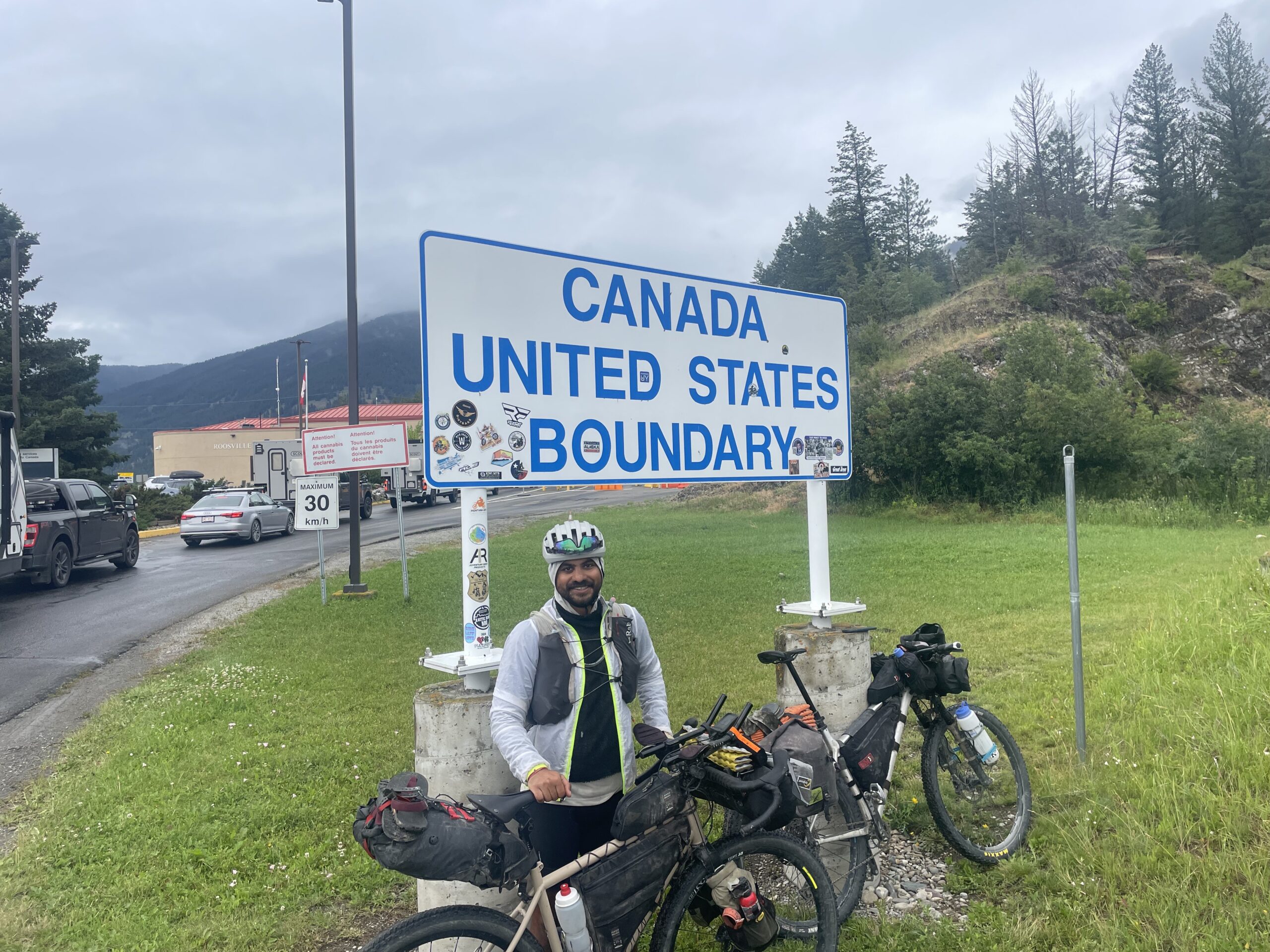
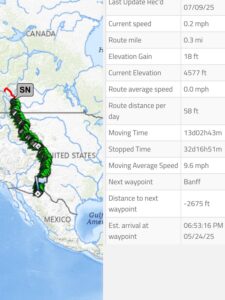
Earlier this year, I completed an extraordinary challenge: cycling the entire length of the Great Divide Mountain Bike Route, which follows the Continental Divide from the Mexico–US border all the way to Canada. At 4,420 kilometers and 55,000 meters of climbing, it is like riding up and down Mount Everest more than five times. To my knowledge, I was the only cyclist of Indian origin to take on the trail this year.
My love of cycling began in India, when I received a yellow and red bicycle at the age of four. That first taste of freedom, powered by my own legs, sparked a lifelong passion for movement and adventure. When my family migrated to New Zealand in 1999, cycling became more than a pastime; it was my way of exploring a new country and finding my place in it. My parents made the significant investment of buying me a pink bicycle, a precious gift as we settled into life in Auckland.
New Zealand’s landscapes, with their rolling hills, leafy parks, and endless trails, quickly became a natural extension of that passion. For many Indian families, the outdoors is not just scenery but a way to connect with the land and one another. Whether riding around Mt Roskill or tramping in distant national parks, the outdoors was central to how I grew roots and felt a sense of belonging in Aotearoa.
The Great Divide tested that sense of belonging in new ways. Starting in the desert heat of New Mexico, the route climbs through remote ranchlands, across the aspen forests of Colorado, into the towering peaks of Wyoming’s Wind River Range, and over the wide-open spaces of Montana’s Big Sky Country. Each section reveals not just natural beauty but deep history, including lands once walked by Indigenous peoples, crossed by fur traders and pioneers, and later mapped by railroad builders. In many places, the only companions are pronghorn antelopes, black bears, or the endless horizon. It is a route where resilience is demanded daily, with storms, rough gravel, and sheer isolation testing both legs and spirit.
Travelling by bicycle also embodies the values of sustainability and simplicity. Austrian philosopher Ivan Illich once called it “the perfect transducer to match man’s metabolic energy to the impedance of locomotion.” A cyclist, he noted, can move three or four times faster than on foot while using five times less energy. This resonates deeply with me. Coming from a katha peethi wala family, where food is lovingly shared and enjoyed, cycling allows me to savor those rich meals and balance them with the effort of long rides.
The ride also mirrored the wider migrant journey, which Gandhi captured in saying: “Strength does not come from physical capacity; it comes from an indomitable will.” It takes willpower to leave behind the familiar, face new challenges, and build a life in a new land. That same spirit drove me over every pass and across every valley of the Divide.
Riding it was not just a physical achievement but a testament to resilience, hope, and belonging, an embrace of both my Indian heritage and Kiwi identity. And as we walk, tramp, or cycle through Aotearoa’s landscapes, we continue a shared story of courage and connection. Step by step, or pedal by pedal, we find our place in this land. -TIN Bureau